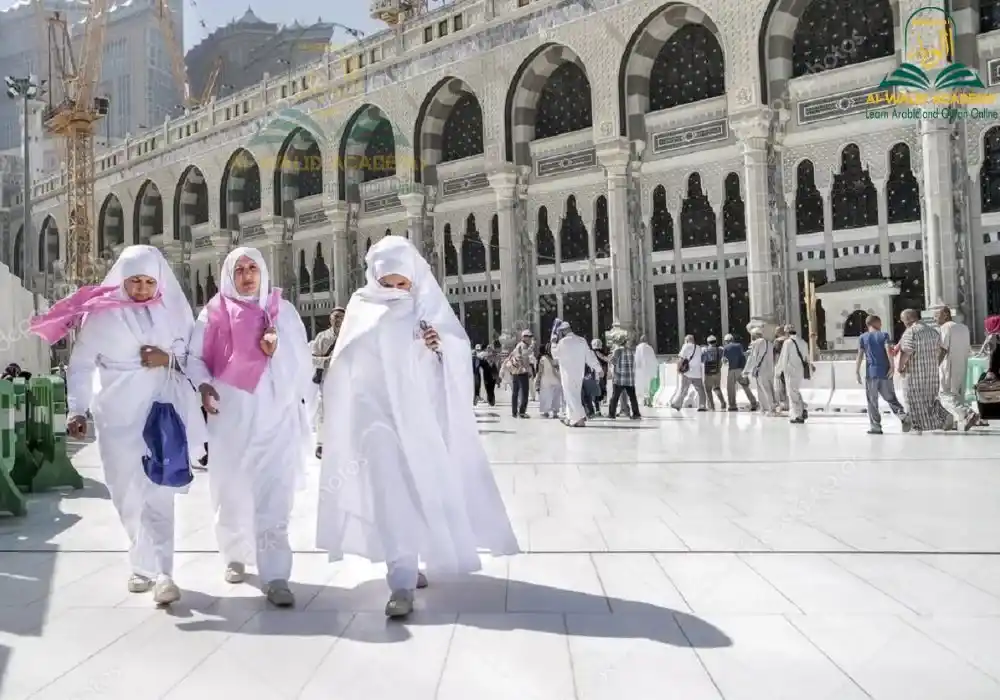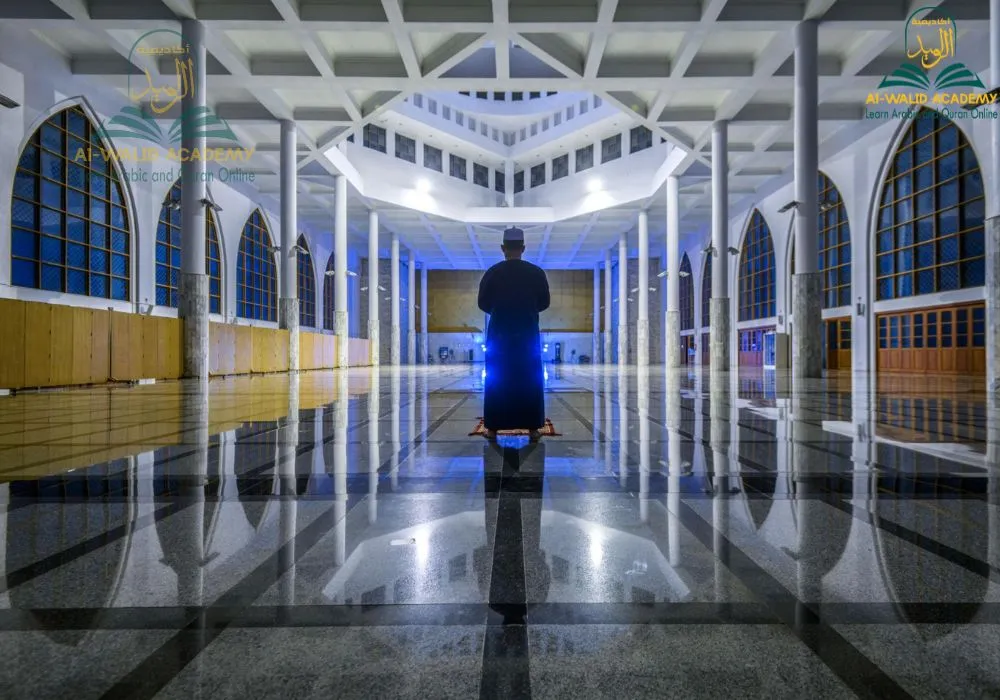

Every year, as the Hajj season approaches, one important question arises among many women: Can Women Go to Hajj Without a Mahram? Is there a clear and definitive Islamic ruling on this issue?
As Hajj stands as one of the fundamental pillars of Islam, its spiritual significance makes this matter particularly sensitive. The question of a woman traveling without a mahram opens a broad discussion that brings together classical Islamic jurisprudence, modern travel realities, and the evolving circumstances of women’s lives today.
Can Women Go to Hajj Without a Mahram?
As every Hajj season approaches, the same question resurfaces: can a woman truly perform Hajj without a mahram? This issue is not simple, nor does it have a one-size-fits-all answer. It is connected to authentic Islamic texts, scholarly interpretation, and the significant changes in modern travel conditions.
In the past, the journey to Hajj involved real hardship and danger, making the presence of a mahram an essential form of protection.
Today, however, travel includes organized groups, direct flights, official supervision, and structured accommodations. This shift has led some contemporary scholars to reconsider how the ruling is applied in modern contexts.
Access all these benefits easily with our Quran courses online before your pilgrimage.
The Prophetic Hadith About Women Traveling Without a Mahram
Among the most well-known hadiths on this issue is the statement of the Prophet:
“A woman should only undertake travel when accompanied by a Mahram for her safety and to follow the Sunnah.”
(Reported by Al-Bukhari and Muslim)
Another narration states:
“Any believing woman is advised not to journey for a full day or night alone; a Mahram must accompany her to ensure her security.”
These hadiths led the majority of scholars to require a mahram for any journey considered “travel” in Islamic law — including Hajj and ‘Umrah.
A mahram refers to a man whom a woman is permanently forbidden to marry due to blood relation, breastfeeding, or marriage ties — such as a husband, father, brother, son, uncle, or maternal uncle.
However, another important hadith is often cited in this discussion. The Prophet said to ‘Adi ibn Hatim:
“The Prophet indicated that in the future, women would be able to travel from distant places to perform Tawaf at the Ka‘bah, trusting only in Allah’s protection.” (Reported by Al-Bukhari)
Some scholars understood this narration as indicating a future time of complete security.
Ladies can benefit from Quran Classes for Ladies, focusing on fiqh rules and guidance for traveling without a Mahram.
Why Scholars Reached Different Conclusions
The disagreement was not about the authenticity of the hadiths, but about how they should be interpreted and applied.
- One group of scholars argued
The text is clear and explicit. The presence of a mahram is a fixed condition, regardless of safety levels. This is the position of many scholars from the Hanafi and Hanbali schools, as well as numerous contemporary scholars.
- Another group argued
The primary reason behind requiring a mahram is to ensure safety and protection.
Therefore, if safety is fully guaranteed and the woman is traveling with a trustworthy, organized group — especially for obligatory Hajj — it may be permissible.
The core of the disagreement is this: Is the ruling directly tied to the presence of danger? Or is it an unconditional requirement that does not change with circumstances?
Our Quran Classes For Adults include lessons on Hajj-related supplications and etiquette.
Evidence Used by Those Who Allow It
There is no explicit hadith stating, “A woman may perform Hajj without a mahram.” However, scholars who allow it rely on their understanding of the hadith of ‘Adi ibn Hatim.
Scholars interpret this hadith as a prediction of an era when women can journey safely without a Mahram, under secure and trustworthy conditions. If complete safety is achieved, they reason, the original concern is no longer present.
Some jurists within the Shafi‘i and Maliki schools permitted a woman to perform obligatory Hajj without a mahram if she travels with a trustworthy group of women.
On the other hand, scholars who prohibit it maintain that the hadith about future safety is descriptive, not legislative — meaning it predicts safety but does not remove the requirement of a mahram.
How Safety and Travel Conditions Affect the Ruling
Before analyzing the ruling further, it is important to understand a key principle:
Islamic jurisprudence considers context. Some rulings are linked to specific causes, and when those causes change, certain scholars reassess how the ruling is applied.
In the past:
- Travel was long and physically demanding.
- Roads were unsafe.
- Communication was nonexistent.
- There was no official organization.
Today:
- Direct and fast flights.
- Licensed and regulated Hajj groups.
- Security and health supervision.
- Structured accommodation.
- Constant communication access.
Because of these changes, some contemporary scholars argue that verified safety significantly influences the ruling, especially when Hajj is obligatory and a woman has no available mahram.
However, others maintain that the requirement of a mahram is devotional in nature and not dependent on changing circumstances.
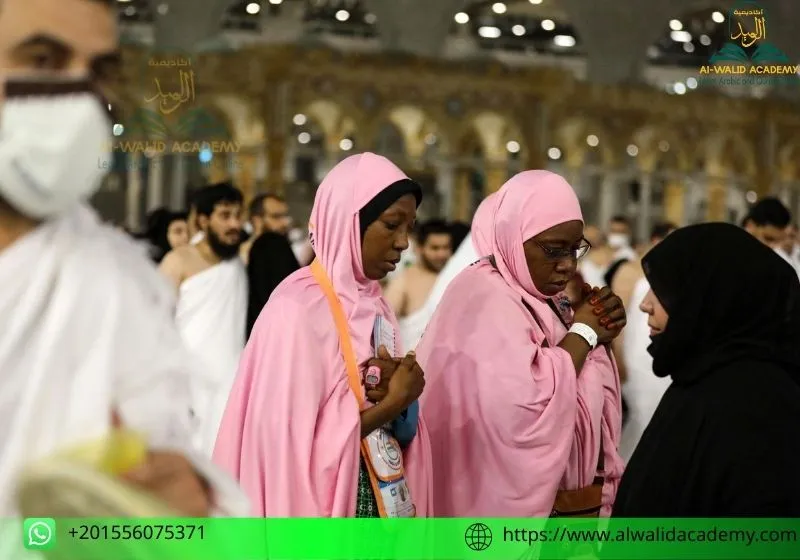
What Do the Four Schools of Islamic Law Say?
The question “Can women go to Hajj without a mahram?” confuses many, especially nowadays when travel is easier and safer.
The four main schools of Islamic law (Hanafi, Maliki, Shafi’i, Hanbali) agree that the hadith:
“A woman must not travel except with a mahram”
is general and applies to Hajj, but its application varies depending on circumstances and safety levels.
The Hanafi and Hanbali Position on Mahram Requirement
For the Hanafi and Hanbali schools, the text is very clear, and having a mahram is an essential condition.
- The Hanafis emphasize that a woman must travel with a male mahram for Hajj, and it is not permissible for her to go alone or even with a group of women. Abu Hanifa stated that traveling without a mahram is absolutely forbidden, and if Hajj is obligatory, it should be postponed if no mahram is available.
- The Hanbalis are stricter, Ibn Hanbal and Ibn Taymiyya said it is never allowed, and the mahram must be a trustworthy male relative. If a woman performs Hajj without a mahram, the Hajj is considered sinful or invalid according to their view. Practical example: if a woman has no father, brother, or husband, it is better to postpone Hajj until a mahram is available.
The Maliki and Shafi’i View on Safe Companionship
The Maliki and Shafi’i schools consider safety and trustworthy companionship. They do not require a male mahram if the woman travels safely with a reliable group.
- The Malikis allow a woman to perform Hajj without a mahram if she is with trustworthy, righteous companions. Imam Malik focused on overall safety, meaning if she is part of an organized and secure group, the ruling differs from traveling alone.
- The Shafi’is hold a similar view but add the condition of safe companions or a sufficiently large group. Al-Nawawi said: if a woman is with trustworthy women or righteous men, it is permissible.
When Group Travel Becomes Permissible
Safe group travel allows a woman to perform Hajj without a mahram when these conditions are met:
- Safety is guaranteed: planes, hotels, official buses, like Saudi Hajj arrangements.
- Sufficient number: 4 women or more with an official guide, especially over age 45 according to the 2018 fatwa.
- Trustworthy companions: known righteous individuals, not strangers.
| School | Main Requirement | Example |
| Hanafi | Male mahram only | Brother or husband |
| Hanbali | Mahram required | Group alone not sufficient |
| Maliki | Trustworthy companions | Organized group of pilgrims |
| Shafi | Safe group | Trusted women or men |
Choose according to your school, and consult a scholar. If you want a Quran Memorization Course for Hajj, Al-Walid Academy is ready to help!
Is Hajj Obligatory for a Woman Without a Mahram?
After reviewing the different schools of thought, many women ask: “Is Hajj obligatory for me if I don’t have a mahram?”.
The answer: Hajj is not obligatory for a woman without a mahram, according to the consensus of most scholars from the four main schools.
Hajj is only required for those who have ability (istita’ah), and having a mahram is a key part of that ability for women. If there is no father, brother, husband, or adult son accompanying her, the obligation is postponed, and there is no sin in waiting.
In other words, if a woman performs Hajj without a mahram when it is obligatory, the Hajj is valid by God’s will, but it carries sin. It is better to postpone it until safe conditions are available.
If she waits, Allah will grant her the reward of fulfilling the obligation if she intends to do it and seeks forgiveness. This is the view of scholars like Ibn Baz, Ibn Uthaymeen, and the majority of jurists.
Understanding the Concept of Ability (Istita’ah)
Ability (istita’ah) is the essential condition for the obligation of Hajj, as Allah says in the Quran:
“And Allah has made it an obligation upon people to perform the pilgrimage to His House for those who are able to reach it.” – Al-Imran 3:97
Ability includes several factors:
- Sufficient finances for the journey, including travel, accommodation, food, and return, without causing harm to the family.
- Physical health to perform the rituals comfortably.
- Safety and a mahram: Without a mahram, the ability is incomplete, as the Prophet said: “A woman must not travel except with a mahram.”
Learn Quranic terms used in Hajj with our Quranic Arabic Course.
An example
A woman has money and good health, but her husband has passed away and she has no brothers or other mahram. In this case, she lacks full ability, so Hajj becomes voluntary (nafl) but not obligatory. If she performs it, it is valid but not required.
When the Obligation Is Delayed
Hajj is postponed in the following situations:
- No mahram available at all: Wait for Allah to provide a suitable mahram.
- The mahram is unable: Father or husband is sick or elderly; it’s better to postpone.
- Personal circumstances: Small children needing care, or travel routes are unsafe despite modern flights.
If Hajj is obligatory and a woman cannot meet the conditions, the ruling is postponement until ability is fulfilled, and there is no sin.
Read about: The Five Pillars of Islam
Example: A woman performed Hajj without a mahram in 2025; now in 2026, she wants to perform it again, she can repent and perform Hajj with a mahram. Allah is Most Forgiving.
| Situation | Ruling | Advice |
| With a mahram | Obligatory if able | Go immediately to gain great reward |
| Without a mahram | Postponed, voluntary only | Wait or join an official Saudi group if over 45 |
| Performed Hajj without mahram | Valid but sinful | Repent and repeat Hajj with a mahram |
In the end, dear sister, Allah does not hold you accountable for what is beyond your control. Intention and piety come first.
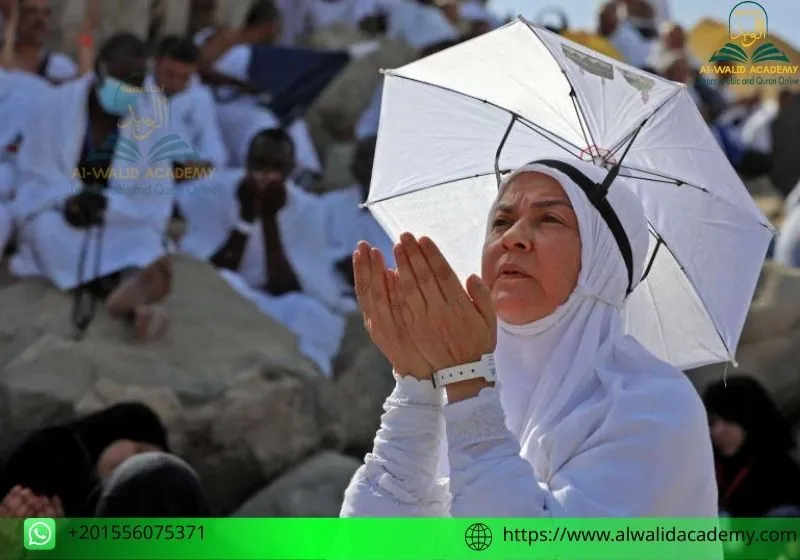
Can Women Perform Umrah Without a Mahram in Islam?
Many women planning to travel to Saudi Arabia for Umrah often ask: “Can women perform Umrah without a mahram in Islam?”The ruling in this case is not identical to Hajj, which makes it necessary to carefully review the Islamic perspective before proceeding.
The simple answer: yes, women can perform Umrah without a mahram, but certain conditions must be met:
- Having a trustworthy companion or group
- Full security during travel and stay, and good health.
- Ability and safety are the main requirements for Umrah without mahram.
Is the Ruling the Same as Hajj?
The ruling for women performing Umrah without a mahram is not exactly the same as Hajj, though the main principle is the same: protecting women during travel.
- Hajj has clear texts prohibiting travel without a mahram, unless safe conditions or a trustworthy group are available.
- Umrah is shorter and usually performed in organized trips, safe flights, and official hotels, so some scholars allow Umrah without a mahram if safety is guaranteed.
- Ability (Istita’ah) here includes financial capability for travel and accommodation, physical health, safety during the trip, and traveling with a trustworthy companion or organized group.
So, if a woman travels in an official, organized group with safe flights and hotels, performing Umrah without a mahram is generally permissible. Still, having a reliable companion is preferred if available.
Prepare yourself spiritually with our Islamic Studies Course, covering Hajj etiquette and fiqh rulings.
Contemporary Scholarly Opinions
Contemporary scholars differ on women traveling for Umrah without a mahram:
- Strict prohibition: Scholars like Ibn Baz and Ibn Uthaymeen emphasize that a mahram is required for all travel, even for Umrah, to avoid any danger or fitna.
- Permissive view: Some contemporary scholars allow Umrah without a mahram if:
- Travel is completely safe: official flights, hotels, and buses.
- The woman is with trustworthy companions or a pious group: reliable women or men known for their integrity and religion.
- The trip is relatively short, and accommodation is official and organized.
So….If the circumstances are secure and the trip is organized, women can perform Umrah without a mahram. But if the route or companions are uncertain, it’s better to wait until conditions are suitable, ensuring both safety and compliance with Islamic guidance.
Learn Quran, Arabic, and Islamic Studies with certified teachers in fun, interactive, and personalized sessions. Join thousands of students around the world and begin your path today!
Conditions That May Allow Women to Travel Without a Mahram
After explaining the rules for Umrah, many women ask: when can a woman travel without a mahram and still be safe and compliant with Islamic law?
In modern times, with flights and organized Hajj and Umrah programs, there are certain circumstances that can make travel without a mahram acceptable.
In Islam, the hadith says: “A woman should not travel except with a mahram”, which is general. But as we told before, some scholars allow exceptions if complete safety is guaranteed and she is with trustworthy companions.
Not every group counts; strict conditions must be met for the ruling to be valid. Most scholars still recommend a mahram, especially for obligatory Hajj, but there is facilitation under specific conditions.
- Traveling With a Trusted Group
The most important factor for traveling without a mahram is being with a trusted group:
- Sufficient number and trustworthy companions: 4 women or more with pious, known men (not strangers).
- Reliable guide: The group leader should be a licensed Hajj guide or recognized scholar to ensure everyone’s safety.
- Safe environment: No ethical or physical risks; everything should be organized and secure.
2. Modern Security and Organized Hajj Programs
Modern conditions have increased safety, which affects rulings on women traveling for Hajj or Umrah without a mahram:
- Saudi organization and official programs: Since 2018, Saudi Arabia allows women over 45 to perform Hajj without a mahram within a licensed group (minimum 4 people), thanks to the high safety in flights, hotels, and schedules.
- Modern technology: Cameras, GPS tracking, and female police make travel much safer than in the Prophet’s time.
- Official Hajj companies and programs: Programs like Nusk or Ministry of Hajj-approved trips manage transportation and accommodation, so some scholars, like Sheikh Othman Al-Khamis, allow travel under these safe conditions.
| Scholars Who Permit It | Key Requirements | Condition |
| Maliki, Shafi’i | 4+ pious companions with a guide | Trusted group |
| Permanent Committee, Contemporary Scholars | Over 45 years old, official licensed group | Licensed Saudi programs |
| Ibn Uthaymeen (with caution), Jordanian Fatwa | Flights, GPS, official monitoring | Modern security |
Having a mahram is always the safest for blessings and security. But in secure, organized groups, travel without a mahram can be acceptable according to Islamic law.

Why Learning Fiqh Matters Before Planning Hajj
Before traveling for Hajj or Umrah, it’s not just about buying tickets or booking hotels. The journey is a major act of worship, and to have it accepted by Allah, you need to understand the Fiqh that ensures you perform it correctly.
- Fiqh acts like a map guiding you to perform Hajj correctly and fully, not just as a religious trip. Many women go without enough knowledge and make mistakes like incorrect Ihram or incomplete Tawaf, which can reduce the reward.
- Learning fiqh also helps you understand the rulings about Mahram and distinguish between correct and incorrect fatwas.
Instead of relying on Google or random advice, studying from trusted sources ensures your Hajj is a real act of worship with peace of mind.
Understand rules of travel and Mahram in detail through Fiqh Islamic Jurisprudence courses.
Understanding Differences of Opinion With Confidence
As we explained above, scholars differ on the topic of Mahram and Hajj. Understanding these differences between schools lets you choose the opinion that fits your situation confidently and without worry.
If your school is Shafi’i, traveling with a safe group can be sufficient instead of a Mahram, and you won’t feel anxious. Confidence comes from studying the evidence, like the prophetic hadith “A woman should not travel except with a Mahram,” and modern scholarly fatwas.
This makes you knowledgeable in your Hajj, which is a great reward from Allah.
Seeking Knowledge From Qualified Scholars
Do not rely on YouTube videos or unknown teachers online. Always consult trusted scholars, like the scholars of Dar Al-Ifta or certified Saudi scholars.
Ask about your specific situation: “I don’t have a Mahram, how can I travel?”
They will guide you according to your personal circumstances, not general advice.
You can contact the Permanent Committee for Fatwa in Saudi Arabia before registering; they will provide precise requirements for the current year. Trusted scholars ensure both religious safety and peace of mind.
Preparing Spiritually for Hajj and Umrah
Fiqh isn’t just about rules; it’s also about preparing your heart and soul. Before traveling, focus on:
- Memorizing the Quran, especially the surahs relevant to Hajj.
- Repentance and remembrance (Dhikr) so that your Hajj is Ihram of the heart before the body.
- Mental preparation for patience and discipline during the rituals.
Like a woman who memorized 5 parts of the Quran before her Hajj, She experienced no stress during Tawaf and Sa’i and said the rituals felt much more beautiful because the Quran was in her heart. Combining spiritual readiness and fiqh knowledge ensures a complete and accepted Hajj, insha’Allah.
Read about: Dua for Intention of Umrah
Prepare for Hajj and Memorize the Quran with Al-Walid Academy
With Al-Walid Academy, you’ll learn everything about Hajj and Umrah in a practical and easy-to-understand way, so you feel confident before your spiritual journey. The academy offers unique advantages:
- Quran memorization before Hajj, focusing on the chapters related to Hajj, Tawaf, and Sa’i to make the rituals easier.
- Practical fiqh lessons in simple language, explaining rules about Mahram, ability (Istita’ah), and organized travel step by step.
- Personal guidance from trusted and qualified scholars who answer your questions according to your individual circumstances.
- Full spiritual preparation, including repentance, Dhikr, and mental readiness, so your Hajj becomes an Ihram of the heart before the body.
- Continuous follow-up for each student, ensuring confidence and knowledge before your journey.
If you want to be fully prepared for Hajj or Umrah, without worry and fully aware of all rulings and fiqh rules, now is the time!
Enroll today at Al-Walid Academy and receive a complimentary consultation session.
Conclusion
After going through all the details in this article, you now have a complete understanding of a woman performing Hajj or Umrah without a Mahram, based on the prophetic hadiths and scholarly insights.
The most important thing to remember is that your intention and piety are the foundation, and Allah rewards those who prepare and plan properly.
If you have a Mahram, that’s the safest and best option. But if not, you can rely on trusted groups or organized Hajj programs according to contemporary fatwas. Studying fiqh before traveling gives you the confidence and knowledge to perform your rituals correctly and safely.
FAQs
What should a woman do if she doesn’t have a Mahram?
If a woman doesn’t have a Mahram, her Hajj should be postponed until she has one.
What is the age limit for Hajj without a Mahram?
Modern fatwas allow women over 45 years old to perform Hajj without a Mahram, provided they travel with a licensed and trusted group.
Can women wear a bra during Hajj?
Yes, women can wear a bra as long as it’s comfortable, modest, and doesn’t violate the dress rules of Ihram.
Why do women wear black during Hajj?
Wearing black is traditional for some women because it’s modest, practical, and protects against the sun. However, any modest clothing suitable for Ihram is acceptable.
Can a woman sleep in Ihram?
Yes, women can sleep while in Ihram, but they must avoid actions prohibited in Ihram, like sexual activity or anything that breaks the rules.
Can women wear makeup during Hajj?
It’s recommended to avoid makeup, but very light and modest makeup that doesn’t violate Ihram rules is allowed according to some scholars.