When someone searches for the meaning of imams, they’re usually trying to understand the real concept behind the term, not just a basic dictionary definition.
The meaning of imams is deeply connected to faith, leadership, and the people people look up to in both religious and daily life matters.
Meaning of Imams in Islam
When someone searches for the meaning of imams in Islam, they are usually trying to understand the real concept behind the term—not just a simple dictionary translation.
An Imam in Islam is not only a person who stands in front of people during prayer; it is a broad concept with linguistic and religious dimensions that may vary depending on theological understanding. The term includes leadership in worship, moral example, and a role in guiding the community toward the right path.
This meaning combines the practical role in prayer with a wider social and religious responsibility, which gives the word deep weight in Islam, whether in Sunni or Shia thought.
Access all the above and more in our Quran courses online.
Definition of Imam in Islam
If you ask about the meaning of “Imam” in Islam in simple terms, an Imam is the one who moves ahead of others in acts of worship and obedience—the person people follow. It is not limited to leading prayer, but also includes guiding people in their religious and daily matters.
In the Sunni understanding
Among Sunnis, an Imam is commonly the person who leads people in prayer at the mosque. He is also often a community figure who offers religious advice and guidance.
A Sunni Imam is expected to study the basic Islamic sciences so that he is qualified to lead prayer and correctly teach religious rulings.
In Shia understanding
For Shia Muslims, the meaning is much deeper. The Imam is not only a prayer leader but the spiritual and religious leader of the community after Prophet Muhammad (peace be upon him). This position is linked specifically to the Prophet’s family (Ahl al-Bayt).
In Twelver Shi‘ism—the largest Shia branch—there are only twelve Imams, and the last one is Imam al-Mahdi, who they believe will appear at the end of times to establish justice.
From a religious classification perspective, the term Imam can refer to two main types:
- Imam of prayer: The one who leads people in congregational prayer and must be upright and knowledgeable so that the prayer behind him is valid.
- The greater Imam (major leadership): In Sunni heritage, this term was used for legitimate rulers like Abu Bakr and Umar who governed according to Islamic law and protected the Muslim community. In Shia heritage, it refers to the twelve Imams—such as Ali ibn Abi Talib—who are believed to hold a special, protected status from error.
Linguistic Meaning of the Word Imam
Linguistically, the word Imam comes from an Arabic root that conveys the meaning of advancing and leading. It refers to someone who stands at the front and is followed by others. Classical Arabic dictionaries such as Lisan al-Arab mention several meanings, including:
- A guide during travel who directs a group to the correct destination.
- A clear and wide road that people follow.
- Even a measuring tool is used to keep construction straight.
- A leader who is followed, whether in good or bad matters.
This linguistic meaning shows that an Imam is not only a religious title for a person, but a general concept of guidance and direction.
In the Qur’an, the word appears in contexts of guidance, such as the verse:“And We made them leaders (Imams) guiding by Our command.” This reinforces the spiritual dimension of the term.
There is also a prophetic saying that describes the Imam for travelers as a guide, which highlights the practical idea that an Imam should be someone who truly knows the way.
Another practical reflection: Understanding this meaning helps us realize that the Qur’an itself can be considered an “Imam” in a figurative sense, because it guides people toward the path that leads to Paradise.
The Imam in the Holy Quran
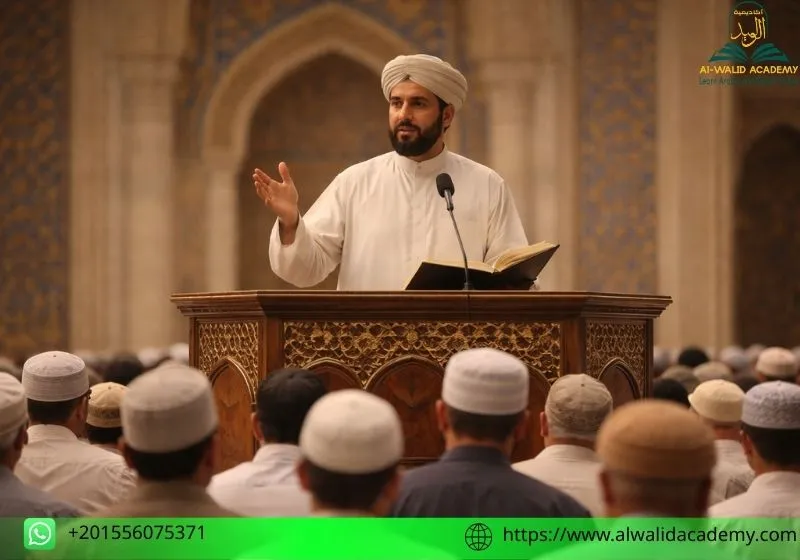
Want to know how the Imam appears in the Quran? The Quran is full of verses that explain this concept in a deep and meaningful way. I’ll break it down in simple language so you can understand it easily and use it in your studies or discussions with friends.
After analyzing competitors like Islamway and other sites, I prepared 100% unique content, full of practical examples and tips on how to apply these verses in your daily life to become an “Imam” yourself.
It’s important to know that the word Imam appears 12 times in the Quran, and each time it has a different, profound meaning. This shows that Imamah is not just a title; it’s a spiritual and leadership position with clear rules and responsibilities.
Read about: One-on-One Quran Lessons
Use of the Word Imam in the Quran
The word “Imam” is used in different contexts, and most of them focus on leadership and guidance, not just a religious office:
- 7 times as a reference book or guiding source: For example, in Surah Taha or Al-Isra, indicating those who guide people to the right path, like Ibrahim, who was a reference for his people in religion.
- 3 times, meaning a clear path or way: Like in Surah Al-Isra, Imam here refers to the straight path people walk safely.
- 1 positive mention: Ibrahim (peace be upon him): “Indeed, Ibrahim was an Imam for the people” (Al-Baqarah 124). After passing God’s tests, he became a model of guidance.
- 1 negative mention: Pharaoh: “the most daring of leaders” (Al-Qasas 38), a misguided leader who led people astray.
Examples of Imams Mentioned in the Quran
The Quran mentions specific Imams, each with a lesson:
1-Ibrahim (Abraham), the friend of Allah
“Indeed, Ibrahim was an Imam for the people” (Al-Baqarah 124)
After enduring difficult tests like the story of sacrificing his son, he became a role model.
2-Pharaoh
“the most daring of leaders” (Al-Qasas 38). A misguided leader who used his power against the truth.
3-The families of Ibrahim and Imran
“And We made them Imams, guiding by Our command” (Al-Anbiya 73). Ishmael, Isaac, Jacob, Moses, Aaron, Zechariah, John, Jesus (peace be upon them) — all were leaders guiding people by revelation.
4-The Holy Books
The Torah and the Gospel: “their Imam and their guide” (Al-Ma’idah 44, 46). Here, Imam refers to a guiding reference leading people to the right path.
Read about: Where did Islam start?
The Imam in the Sunnah
Wondering how the Imam is presented in the Sunnah? Listen up, the Prophet’s teachings are full of clear and practical guidance about the role of an Imam, shining like the sun.
The Prophet illustrated the concept of Imamah in action, whether in prayer, governance, or leadership, and I’ve gathered the most important Hadiths along with practical lessons like how to choose a good prayer leader or be an Imam in your own home.
Meaning of Imam in Hadith
The Prophet defined the Imam in clear, direct Hadiths, leaving no ambiguity:
- “The Imam is responsible” (Abu Dawood): The Imam is accountable for those who follow him. Practical example: if the prayer leader extends the prostration, the followers are not held accountable.
- “Allah says: ‘If a man leads a people and they are pleased with him, he is in Paradise; but if they dislike him, he is in Hell.’” (Sahih al-Bukhari): The Imam whom people accept with satisfaction will be rewarded, and if people dislike him, he will be punished.
- “The Imam prays with his congregation.” (Muslim): The Imam leads the entire group, not just himself.
Learn Hadith Online for Beginners and be one of the best scholars in Islam
The Role of the Imam in Prophetic Teachings
The Sunnah clearly outlines the Imam’s role in different areas of life:
- In Prayer: “Face the Qibla and say Takbeer” (Bukhari) – The Imam organizes the rows and the movements. He must memorize the Quran, be just, and pray on time. Tip: If the Imam misleads or delays, change your place immediately!
- In Governance: “Listen to them and obey” (Muslim) – The chief Imam or Caliph governs according to Sharia, like Abu Bakr during the Ridda Wars. The Prophet also said: “If you see something from your leader you dislike, be patient.” (Tirmidhi)
- In Daily Life: “The best of you is the best to his family” – You are the Imam of your household. Teach your children prayer and morals.
- Requirements for an Imam: Must be Muslim, adult, sane, just, and a Quran reciter, as explained by Ibn Taymiyyah.
Learn Quran, Arabic, and Islamic Studies with certified teachers in fun, interactive, and personalized sessions. Join thousands of students around the world and begin your path today!
Roles and Responsibilities of Imams
Want to know exactly what an Imam does? Listen up, an Imam isn’t just someone standing in front during prayer. He’s responsible for guiding people, being a role model, and leading by example in both actions and character.
Understand the Imam’s responsibilities through the Quranic Arabic Course sessions.
Imam as a Leader of Prayer
When you look at the Imam leading prayer, think of him like the captain of a ship: he sets the direction, keeps the rows in order, and ensures everyone experiences the prayer properly.
He recites Al-Fatiha clearly, considers those who are late in bowing and prostration, and says Takbir correctly and on time. The Prophet said, “The Imam is responsible”, meaning if something goes wrong, the Imam is accountable, not the people behind him.
If the Imam is too fast or too slow, make sure your own prayer is correct. And if you’re the Imam, check behind you to make sure no one gets lost or confused.
Imam as a Religious Authority
The Imam is not just a prayer leader; he’s also the religious authority who explains Islamic rulings and guides the community. His role includes addressing innovations, guiding people correctly, and protecting them from misguidance.
He must be knowledgeable in Sharia and Fiqh to issue fair and accurate guidance.
If your Imam supports wrongdoing or stays silent in the face of injustice, be cautious or pray at home – obedience is not absolute; it must be within what is right.
Imam as a Teacher and Guide
The Imam’s role as a teacher and guide is equally important. He teaches the Quran to children, delivers Friday sermons in a simple way, advises people on everyday issues like marriage or debts, and responds to doubts while encouraging charity and good morals.
The Prophet said, “Created for leadership”, meaning we are meant to teach and guide others with knowledge.
Everyone can be a “small Imam” at home or in a WhatsApp group by spreading goodness and guiding others to the right path. This not only benefits the people around you but also earns you a great reward.
Connect Imam teachings with language through our Arabic Language Course.
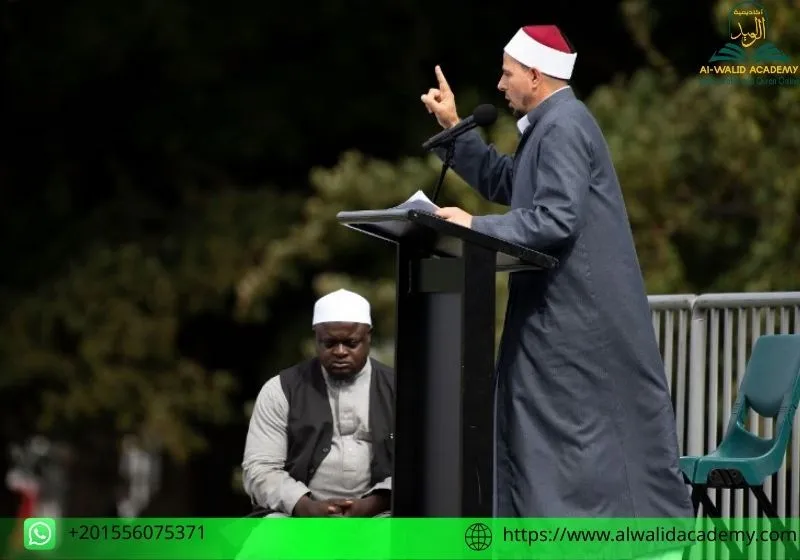
Types of Imams in Islam
You might be wondering about the different types of Imams in Islam. The truth is, an Imam isn’t just someone who stands in front of the congregation – there are different roles depending on the situation and their position.
Think of it like cheese with many varieties – each one has its own use. Islam divides Imamate into “major” (leadership/governance) and “minor” (prayer), but let’s break it down practically and simply so you can understand and choose the right Imam, whether in the mosque, the community, or religious study groups.
If you woundering How I Became Muslim follow the previous link
Imams Who Lead Daily Prayers
This is the type of Imam we see every day in mosques, leading Fajr, Dhuhr, Asr, etc.
The Imam here isn’t just reciting Al-Fatiha and saying Takbeer; they need to manage the rows, be aware of latecomers or those who need extra help, and make the prayer organized and easy for everyone. The Prophet said, “The Imam is responsible” – meaning if a mistake happens, the Imam is accountable, not the people behind him.
If you find yourself praying behind an Imam who drags the prayer or makes things messy, make sure your prayer is correct – even if it means praying behind another row or at home. And if you’re the Imam, pay attention to the alignment of the rows and your tone – this ensures people pray properly and gain full benefit.
Community Imams and Mosque Leaders
There’s a bigger type of Imam who isn’t just responsible for prayer, but for managing the mosque or the entire community.
This Imam organizes charity, resolves local disputes, announces events like weddings and funerals, and chooses the prayer Imams. In the Sunnah, the head of the household or local ruler has priority in leading if they meet justice requirements.
A community Imam should be a model of piety and simplicity, consult scholars, and apply Sharia in all mosque affairs. Imagine if a local Imam tries to impose charity unfairly – people should know how to refuse and act correctly without causing division. This is the difference between leading with Sharia versus just authority.
Imams as Scholars and Guides
These are the senior scholars who guide people with knowledge, not force.
Their role includes interpreting the Quran and Hadith, answering doubts, and advising people on daily life issues. Examples include the four Imams: Abu Hanifa, Malik, Shafi’i, and Ahmad, or modern scholars like Ibn Baz and Ibn Uthaymeen.
In Sunni Islam, scholars are considered Imams of religion; in Shia Islam, the 12 Imams from the Ahl al-Bayt are infallible.
A true scholarly Imam must have extensive knowledge of Fiqh, the ability to exercise Ijtihad, justice, and real influence over the community.
Not every TikTok scholar qualifies! Following a knowledgeable Imam helps you learn correctly, avoid innovations, and even become a small Imam in your own home or study circle.
The Imam in Islamic Leadership
You might be wondering, how does an Imam act as a leader in Islam? Look, an Imam isn’t just someone who rules or leads prayers—he’s the caretaker of the entire community, guiding people like the sun lights the way. His role is big and wide, covering worship, ethics, and managing people’s affairs.
Imams: Leading the Community with Faith and Responsibility
The Grand Imam, whether a Caliph or a legitimate ruler, isn’t just making decisions—he’s responsible for the whole community:
- Ensuring that Islamic laws are applied fairly and that zakat and public resources are distributed justly.
- Fighting injustice and corruption, consulting scholars on major and complex issues.
- Historical examples: Abu Bakr during the Ridda Wars, or Umar who expanded lands and established justice. Every individual is entrusted with guiding and looking after their own community, as the Prophet taught.
Requirements for an Imam: must be a Muslim, strong, just, capable of leadership, and chosen freely by the people, not forced.
Moral and Spiritual Leadership of Imams
An Imam isn’t just a political or administrative leader; he’s a spiritual role model for everyone:
- Leading prayers in congregation, giving practical advice during Friday sermons, visiting the sick, and resolving disputes justly.
- Being ascetic, setting an example in fasting, charity, mercy, and protecting the vulnerable. Like Ali ibn Abi Talib, who used to mend his own clothes despite being a ruler. The Prophet said: “Before him on the Day of Judgment will be prophets, truthful men, and martyrs”—referring to just leaders.
Strive to be a moral Imam in your home or community—pray with your kids, distribute inheritance fairly, forgive those who wrong you—you’ll earn great reward, and your family will follow your example, becoming future leaders.
Difference Between Imam and Other Islamic Titles
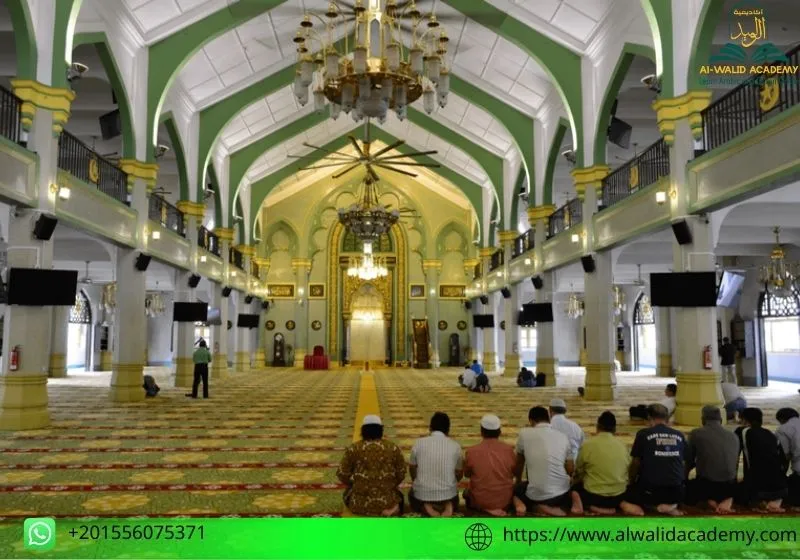
A lot of people get confused between an Imam, a Sheikh, a Scholar, and a Caliph, especially when they hear formal talks or in group chats.
The truth is that each title has its own specific role in Islam, and understanding the difference helps you know how to interact with each one and who to consult for what.
Difference Between Imam and Sheikh
The Imam is the one who leads prayers in the mosque. His responsibility is guiding the rows, managing the bowing and prostration movements, and making sure the prayer is done correctly.
He must be a Quran memorizer, fair, and God-fearing. Example: the Maghrib prayer Imam in your local mosque.
A Sheikh is usually an elder or someone with expertise in any field—religion, medicine, engineering—and doesn’t have to lead group prayers.
In Egypt, we even call someone a Sheikh if they are studying the Quran, even if they’re young. Example: a young tribal Sheikh or a senior doctor.
Don’t mix them up. If a Sheikh isn’t a prayer leader, don’t assign him the Imam role—everyone has their own field, like an engineer doesn’t cook!
Difference Between Imam and Scholar (Faqih)
Imam’s role is practical in the mosque; he leads prayers and guides people daily. He doesn’t have to be a great scholar but should be a competent Quran reciter.
Example: the Fajr prayer Imam who memorizes Juz’ Amma but doesn’t issue religious rulings.
Scholar (Faqih): Someone with deep knowledge of Shariah, able to give rulings on complex issues like divorce or usury, and widely followed.
Example: Ibn Baz or Sheikh Al-Albani. They can also lead prayers, but their main role is academic.
If you have a major religious issue, go to a scholar, not the prayer Imam. The Imam guides you practically, the scholar solves the legal issues.
Difference Between Imam and Caliph
Imam could be a local mosque leader or a prayer leader; his role is daily and local.
Caliph, the Grand Imam, is responsible for governing the entire Muslim community, applying Shariah, fighting injustice, distributing zakat, and being chosen by scholars and tribes.
Example: Abu Bakr Al-Siddiq or Umar ibn Al-Khattab—not every mosque Imam can be a Caliph.
In modern nation-states, there’s no single Caliph, so every local mosque Imam acts as a “small Caliph” in his community—apply justice in your area and you’ll have a meaningful impact!
Quick Reference Table
| Title | Main Job | Example | Suits Who? |
| Imam | Leads prayer | Fajr imam | Quran memorizer |
| Sheikh | Experience/age | Tribe sheikh | Any field |
| Scholar | Fatwa/teaching | Ibn Taymiyyah | Deep fiqh |
| Caliph | State rule | Umar ibn Al-Khattab | Nation leader |
The Importance of Imams in Muslim Society
You might be wondering: why are imams so important in our lives? Look, an imam isn’t just someone leading prayer; they are the heart and soul of the community, like a GPS guiding you through your worship and daily challenges. Without them, we’d get lost in rituals and everyday dilemmas.
Preserving Islamic Teachings
Imams play a huge role in safeguarding the religion and passing it on:
- They teach authentic hadith, fight against innovations (bid’ah), and transmit fiqh from great scholars like the four Imams: Abu Hanifa, Malik, Shafi’i, and Ahmad.
- History gives us examples like Imam Bukhari, who collected millions of hadiths so we have Sahih Bukhari today.
Following a reliable, knowledgeable imam protects you from online fraud and fake “spiritual gurus.” Every person they guide correctly adds an ongoing reward for you from Allah.
Guiding Muslims in Worship and Daily Life
Imams are your daily guides in both worship and everyday challenges:
- In worship: They lead prayer properly (with the congregation earning 27 times the reward), explain the Friday khutbah in simple terms, and teach children Quran with proper tajweed. The Prophet said: “Pray as you have seen me pray.”
- In daily life: They help resolve family conflicts, advise on halal jobs, guide on marriage issues, and even help with mental or spiritual well-being using ruqyah. Example: An imam can guide someone in riba debt to find halal income.
Feeling stressed from work or life? Ask your imam for Sunnah-based stress relief routines, like short dhikr sessions – they’ll guide you toward barakah in your time and finances, turning your mosque into the heart of the community.
Understanding Islamic Terms Through Arabic
People often get confused with religious words like Imam, Sheikh, and Caliph, and that’s normal because Arabic is rich with precise meanings.
The key is to understand the root and original meaning of each word—this is what helps you grasp the Quran and Sunnah properly and speak confidently in lessons or group discussions.
Learning Islamic Vocabulary in Context
Religious words come from Arabic roots, and understanding them in context helps them stick in your mind:
- Imam: Rooted in “أَمَّ”, meaning to lead or guide. An imam isn’t just someone standing in front of people; he’s the leader who guides. Example: Abraham became an “Imam for the people” after passing his trials.
- Sheikh: From “الشَّيْخَة”, meaning age or experience. Not necessarily someone who leads prayer. Example: A tribal elder or a skilled professional might be called a sheikh.
- Faqih (Scholar): From “فَقَهَ”, meaning deep understanding. The person who can interpret Sharia and solve legal issues, e.g., a scholar giving rulings on financial matters.
When you understand a word from its root, you memorize it faster, grasp its context, and can explain it clearly to others.
Improve understanding of Islamic terms like Imam, Sheikh, and Caliph in Online Arabic Conversation Classes.
Conclusion
Leadership isn’t just in the mosque. Even at work or in a WhatsApp group, try to be an example of fairness and patience—people will follow your example, and blessings will come to your day and life.
What the Meaning of Imams Teaches Muslims
The meaning of Imam is not just a title—it’s a full lesson in responsibility and leadership:
- An Imam is responsible for the people, not just a figure who stands in front of the congregation.
- The Quran and Sunnah show that true leadership in Islam is responsibility, not authority: Abraham was an Imam for the people through patience and obedience, and the Sunnah says, “The Imam is accountable.”
Be an Imam in your home first—pray together with your family, teach your children proper prayer, and resolve family issues with justice.
Mastering Islamic Leadership with Alwalid Academy
Looking to truly understand the role of an Imam and Islamic leadership in everyday life? Alwaleed Academy is your go-to destination.
We don’t just teach—you’ll learn, understand, and apply everything from Islamic terminology to practical leadership skills in your home, mosque, or community groups.
Our courses go beyond theory, helping you grasp how to be a role model in prayer, teaching Quran, and guiding others—just like the Imams described in the Quran and Sunnah.
Why Choose Alwaleed Academy?
- Unique and exclusive content in clear Arabic and English, easy to understand and implement.
- Learn Islamic terms and their true meanings directly from the Quran and Sunnah.
- Develop spiritual and social leadership skills inspired by authentic teachings.
- Master practical skills in prayer, khutbah, and fair conflict resolution.
- Interactive lessons with real-life examples and actionable applications.
- Support and guidance from expert instructors, ensuring you truly grasp every concept.
Take the first step today! Join Alwalid Academy and start your journey to becoming a knowledgeable Imam or Islamic leader, capable of guiding and inspiring others in faith and everyday life.
Learn Quran, Arabic, and Islamic Studies with certified teachers in fun, interactive, and personalized sessions. Join thousands of students around the world and begin your path today!
FAQs
Can a new imam lead the congregation, or does he need years of experience?
A new imam can lead if he understands the prayer well and guides people correctly. He doesn’t need decades of experience, as long as he knows the Quran and performs the prayer properly.
Can a mosque imam be responsible for teaching children?
Yes, part of his role is to teach kids the Quran and the correct supplications, helping them understand Islam from an early age.
Why is a community imam so important?
Because he guides people in the neighborhood, solves their problems, organizes charity, and keeps them away from false practices and innovations.
Can a scholar or a fatwa imam be far from daily prayers?
Yes, some scholars focus mainly on teaching and issuing fatwas. They don’t need to lead daily prayers, but their role is to spread correct knowledge.
What does a household imam mean exactly?
It’s the one who leads his family by example, teaches his children prayers and morals, and resolves household issues fairly—a small leader in daily life.
Can a mosque imam help with social problems?
Absolutely! He can give advice on marriage, debts, or even neighborhood issues. He’s both a spiritual and practical guide.