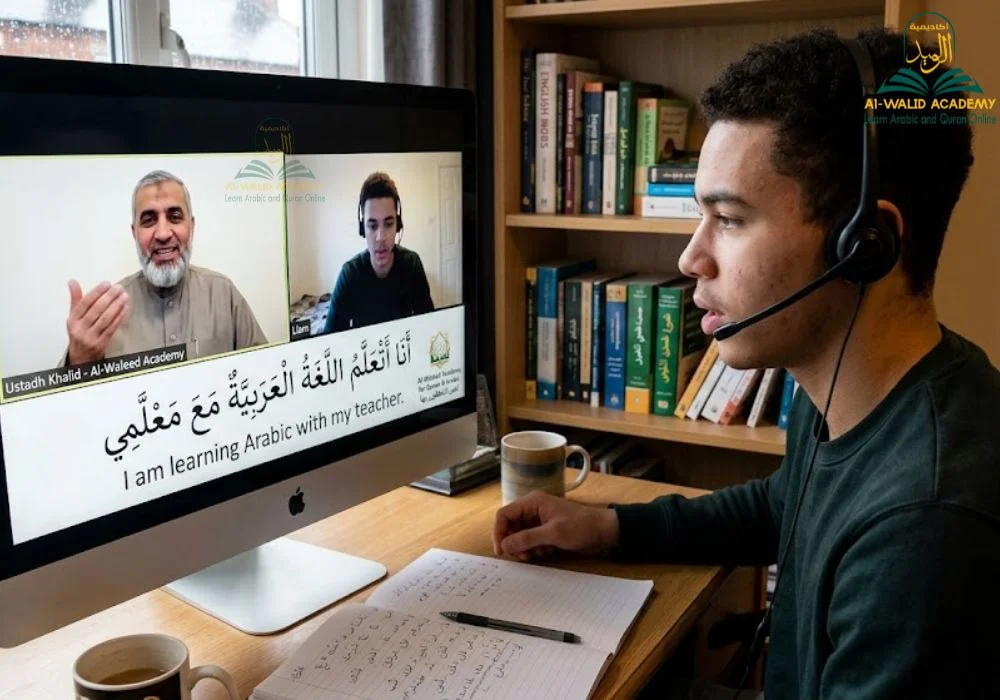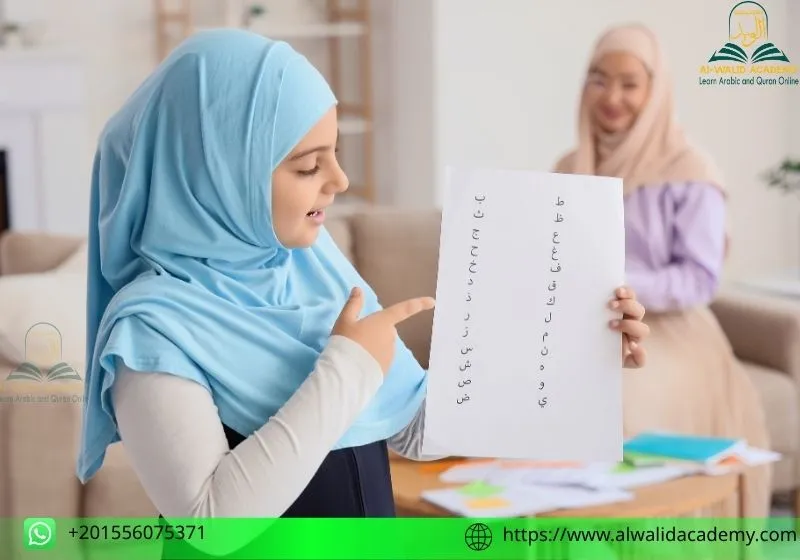
If you’ve been wanting to learn Egyptian Arabic in an easy and engaging way, Al-Walid Academy offers The Best Egyptian Arabic Course that makes every step simple for you. The course is designed with a smooth, beginner-friendly approach so you can understand and practice without any confusion.
Why the Best Egyptian Arabic Course Matters
Why is The Best Egyptian Arabic Course so important? Egyptian Arabic isn’t just a dialect; it’s a core part of our culture and daily life.
Learning Egyptian Arabic is very different from learning Modern Standard Arabic, which is taught in schools or used in news broadcasts.
The right course helps you understand people easily, speak naturally in daily life, and interact with the Egyptian community confidently and effortlessly.
When you learn Egyptian Arabic correctly, you don’t just learn words and sentences—you also grasp the thinking and expression patterns used in everyday conversations, at work, home, or even in casual chats and jokes.
A proper course also helps you avoid mistakes that most learners make when relying on random or unorganized resources.
Our Quran courses online create a complete learning path that connects faith, language, and everyday communication.
Difference Between Egyptian Arabic and Modern Standard Arabic
Egyptian Arabic isn’t just a dialect; it’s a way of life and daily communication. Modern Standard Arabic (MSA) is formal and elegant, while Egyptian Arabic (EA) is closer to everyday speech. The differences between the two appear in vocabulary, pronunciation, grammar, sentence structure, and usage. The table below highlights the main differences:
| Aspect | Modern Standard Arabic (MSA) | Egyptian Arabic (EA) | Example |
| Vocabulary | Formal, classical words | Everyday colloquial words | “أريد” → “عايز” (I want) |
| Grammar | Strict rules, full verb conjugations | Simplified and shorter structures | “سأذهب غداً” → “هروح بكرة” (I’ll go tomorrow) |
| Pronunciation | Standard pronunciation for all letters | Some letters pronounced differently or softer | “ج” pronounced as “j” in Egyptian vs. “g” in some MSA contexts |
| Sentence Structure | Longer, formal sentences | Shorter, casual, conversational | “هل تريد أن تأتي؟” → “تحب تيجي؟” (Do you want to come?) |
| Usage | Used in books, news, speeches | Used in daily conversation, movies, social interactions | Reading a newspaper vs. chatting with friends |
| Expressions | Formal, literal meanings | Idiomatic, cultural expressions, jokes | “مرحبا” ,”إزيك؟” (Hello, How are you?) |
Why Most Learners Fail With Random Resources
Many people try to learn Egyptian Arabic using scattered or unorganized resources, which makes learning inefficient and confusing.
The result? Words and sentences are disconnected, and learners rarely get a chance to use them in real-life situations.
Some learning tools push memorization over real communication, leaving learners unable to speak or understand naturally.
Unrealistic expectations, like expecting fluency in just a few weeks without structured practice, also cause failure. That’s why an organized, structured course ensures consistent and effective learning.
The Quranic Arabic Course helps learners recognize shared roots between Quranic Arabic and spoken Egyptian Arabic.
What Makes the Best Egyptian Arabic Course
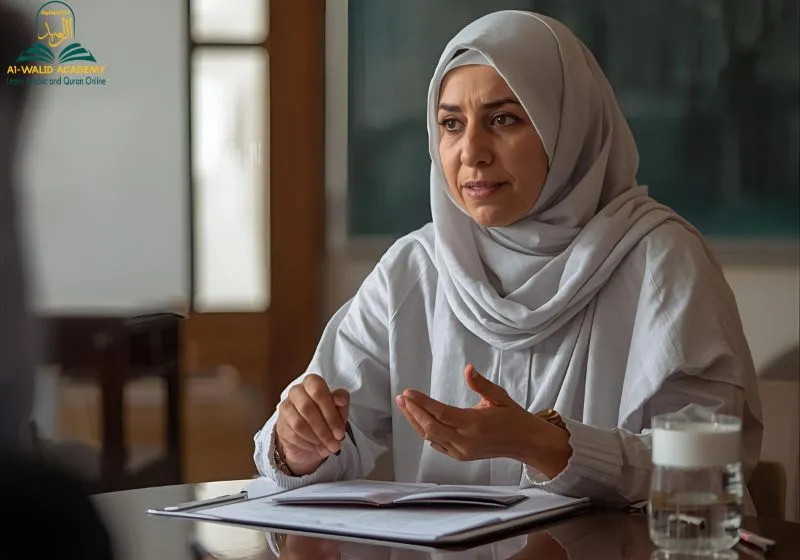
The best course for learning Egyptian Arabic isn’t just about content—it’s a full strategy to help you learn quickly and confidently. This is what sets it apart from random resources or scattered online videos.
Clear Structured Curriculum
A top-notch course should have a clear, progressive curriculum that starts with basics and gradually reaches advanced levels. Every lesson has a clear objective, including key words and expressions you can use immediately.
Example of level breakdown:
- Beginner: Greetings, self-introduction, food and drinks, simple sentences.
- Intermediate: Conversations at the market, transportation, work, directions, interacting with people.
- Advanced: Complex conversations, short stories, cultural expressions, jokes, understanding Egyptian movies and TV shows.
While Modern Standard Arabic is important, this course prioritizes Egyptian Arabic for real communication.
Focus on Real Daily Conversations
Focusing on real daily conversations is the key to success. A good course provides sentences and expressions people actually use in streets, workplaces, and homes.
Application methods:
- Recordings of real-life daily situations.
- Ready-to-use sentences for immediate application.
- Role-playing exercises with a teacher or classmates.
- Learning common expressions like “ماشي” (Okay), “حاضر” (Sure), “على طول” (Right away) and how they change depending on context.
- Gradual difficulty: start with short, simple sentences, then move to longer conversations and more complex situations.
With Online Arabic Conversation Classes, learners practice Egyptian Arabic exactly as it is spoken in daily life.
Balanced Practice Between Speaking, Reading, and Listening
Learning isn’t just about speaking—you also need listening and reading practice. This balance makes learning faster and more effective:
- Listening: Short, repeated recordings with comprehension exercises afterward.
- Speaking: Daily pronunciation exercises and live conversations with a teacher at least twice a week.
- Reading: Short Egyptian Arabic texts, dialogues, simple posts, and vocabulary lists.
- Integrated Activity: Listen to a dialogue, read the text, and summarize or role-play.
- Repetition & Review: Use spaced repetition to retain new words and phrases.
Extra Features That Make a Course Stand Out
To make a course truly exceptional:
- Authentic videos and audio recordings by native Egyptian speakers.
- Short quizzes at the end of each unit to track progress.
- Direct support from the teacher for immediate error correction.
- Interactive exercises and educational games to keep motivation high.
- Cultural tips for understanding everyday behaviors and situations.
- Practical activities to use new expressions in real-life scenarios.
- Daily review summaries and charts to reinforce new words and phrases.
A course with all these elements doesn’t just make learning Egyptian Arabic easier—it allows you to communicate fluently, understand the culture deeply, and enjoy the learning journey without getting bored.
Learn Quran, Arabic, and Islamic Studies with certified teachers in fun, interactive, and personalized sessions. Join thousands of students around the world and begin your path today!
Who This Egyptian Arabic Course Is Designed For

This course is designed for anyone who wants to learn Egyptian Arabic in an easy and clear way.
You don’t need any prior Arabic background, and it’s perfect for those who want to master the language for daily life, reading, writing, work, or travel.
Beginners With No Arabic Background
If you’re a complete beginner with no experience in Arabic, this course will start from the very basics.
It will teach you the letters, essential words, and simple sentences, helping you understand the Egyptian dialect in a simple and straightforward way without complicated grammar or Modern Standard Arabic.
Each lesson is structured logically so you can feel progress from the very first week without stress or confusion.
The course supports Learning Arabic for Beginners by starting with spoken Egyptian Arabic before moving to formal structures.
Learners Who Want to Read and Write Egyptian Arabic
If your goal isn’t just speaking but also reading and writing in Egyptian Arabic, this course is perfect for you.
You’ll learn reading and writing rules in a simplified way and understand the difference between Modern Standard Arabic and the everyday Egyptian dialect.
This will help you read social media posts, dialogues, and any written texts in Egyptian Arabic easily.
Students Planning to Live, Work, or Travel to Egypt
If you plan to live, work, or frequently visit Egypt, learning Egyptian Arabic is essential to understand people and navigate daily life easily.
This course helps you adapt quickly, communicate confidently in any situation, whether in the streets, markets, transportation, or workplace.
You’ll learn to communicate naturally and gain a deeper understanding of Egyptian culture.
How the Best Egyptian Arabic Course Is Taught
This course isn’t just content—it’s a well-structured learning approach designed to help you progress quickly and effectively.
Step by Step Learning Approach
Learning is done step by step, starting from basic daily sentences to more complex conversations and real-life situations.
Each new lesson builds on the previous one, so you won’t feel overwhelmed or lost. Every step is carefully planned to help you retain information and apply it immediately.
Read about: Classical Arabic vs modern Arabic
Interactive Lessons With Practical Examples
Lessons are interactive and full of practical examples. You won’t just listen or read—you’ll participate in exercises and activities that let you use what you’ve learned immediately in daily conversations and real-life situations.
You’ll practice everyday expressions such as asking for nearby places or ordering something naturally in Egyptian Arabic, like “How much is this?”, “How do I get to the station?” naturally and confidently.
Continuous Practice and Feedback
Repetition and continuous practice are key to success. You’ll have plenty of opportunities to practice speaking, with teachers or peers providing corrections and feedback to improve your level consistently.
This method keeps learning practical, lets you notice steady improvement, and helps you feel confident using Egyptian Arabic in real-life situations.
This Arabic Language Course focuses on real-life Egyptian conversations, not just textbook rules.
Speaking Egyptian Arabic With Confidence
Speaking Egyptian Arabic with confidence doesn’t happen on its own—it requires continuous practice, learning daily expressions, and avoiding common mistakes like literal translation from English.
This way, your speech will sound natural like a native speaker, people will understand you immediately, and you’ll communicate confidently without feeling embarrassed.
Learning Pronunciation the Egyptian Way
Egyptian pronunciation is different from Modern Standard Arabic (MSA) in several ways:
- The letter ج is pronounced as “g” like in “game,” not “j” as in MSA.
- The letter ق is sometimes pronounced as a soft “a” sound depending on the word.
- The letter ث can sound like “t” or “s” depending on the context.
A good course starts with listening and repetition exercises on these sounds. It includes recordings from native speakers and encourages you to record your own voice to compare, notice differences, and correct mistakes immediately. This method quickly builds confidence in speaking.
Check the following: Best Way to Learn to Speak Arabic
Common Expressions Used by Native Speakers
Egyptians use everyday expressions that don’t exist in formal Arabic. The course teaches you how to use them naturally:
- “إزيك؟?” = How are you?
- “عامل إيه؟” = How’s it going?
- “ماشي” = Okay / Alright
- “يا عم” = Hey buddy / informal call
- “حاضر” = Sure / Got it
The course teaches these phrases in real-life contexts like work, markets, home, or casual conversations, with full dialogue examples so you can memorize and use them automatically.
Avoiding Literal Translation From English
Literal translation from English is one of the biggest obstacles for learners. For example, saying “أنا جوعان” literally instead of “عايز أكل” sounds like formal Arabic rather than everyday Egyptian. The course demonstrates:
- For example, instead of formal phrasing, Egyptians say “عايز مية” when asking for water, not the classical form “أريد ماء”.
- How to think directly in Egyptian Arabic instead of translating.
- Everyday phrases used at home, work, and on the street.
This prevents embarrassment and helps you speak smoothly and naturally.
Learn more about: Online Arabic Courses And Classes In Liverpool
Reading and Writing in Egyptian Arabic

Reading and writing in Egyptian Arabic is essential for understanding chats, social media, or any daily texts. The course links reading and writing with daily conversation so you learn and apply simultaneously.
Understanding Egyptian Arabic in Arabic Script
Egyptian Arabic is written in Arabic letters but pronounced colloquially, e.g., “بتاع” instead of “بِتَاع.” You will learn simple rules like:
- The letter ة is usually pronounced as “t.”
- Some letters change pronunciation depending on context.
- Short texts, like ads, simple dialogues, and daily messages, help you connect the written form with the spoken sound for faster understanding.
Read about: Learning Arabic As An English Speaker
Using Latin Transliteration Effectively
“Arabizi,” or writing Egyptian Arabic in Latin letters, like “ezayak” for “إزيك,” is very useful for beginners. The course uses it as a transitional tool with special symbols such as:
- 3 for ع
- 7 for ح
Gradually, you transition fully to the Arabic script so you don’t rely on Latin letters long-term, and you can read and write Egyptian Arabic correctly.
Transitioning From Reading to Speaking Naturally
Transitioning from reading to natural speaking is key to fluency. The course provides practical steps:
- Read sentences aloud while following the correct pronunciation.
- Imitate recordings from native speakers.
- Try saying the sentences alone with your eyes closed to reinforce memory.
- Practice daily exercises to use what you’ve learned in real-life situations, like in Egyptian movies or the street.
- Train for quick dialogues and natural responses.
This method helps your brain start thinking in Egyptian Arabic, not just reading or memorizing, which is the secret to fluency and confidence.
Online Learning Experience in the Egyptian Arabic Course
Learning Egyptian Arabic online gives you a comfortable and effective experience, especially if you want to study from home or anywhere else.
You’ll feel like you’re surrounded by native Egyptians speaking naturally, while teachers guide you to progress quickly and learn real expressions used in daily life.
Live Sessions With Native Egyptian Teachers
The course offers live online sessions with native Egyptian teachers. You’ll hear authentic pronunciation and interact in real time, with teachers correcting your mistakes and answering your questions.
This makes you feel like you’re right in the heart of Cairo, not just sitting in front of a screen.
Readabout: Teach Me How to Speak Arabic
Flexible Scheduling for International Students
The course schedule is very flexible for international students, whether you’re in the USA, Europe, or anywhere else. You can choose morning or evening sessions that fit your routine, so you can study comfortably without disrupting your daily schedule.
Learning From Anywhere Without Travel
You don’t need to travel to Egypt to learn Egyptian Arabic. All you need is an internet connection and a computer or mobile device. You can study from home, work, or even while traveling.
This saves time and money while giving you the experience of learning natural Egyptian Arabic as it’s spoken in the streets.
How Long It Takes to Learn Egyptian Arabic
The time it takes to learn Egyptian Arabic depends on your effort and study time. The course is structured with clear stages so you can see your progress step by step and learn gradually without stress or boredom.
Check the following: How Long Does It Take To Become Fluent in Arabic
What Beginners Can Achieve in the First Month
In the first month, beginners can:
- Learn daily greetings and basic words.
- Learn numbers, colors, and simple sentences like ordering food or asking for directions.
- Engage in short conversations with native Egyptians with basic confidence.
Expected Progress After Three Months
After three months, learners can reach an intermediate level:
- Understand most daily conversations.
- Talk about themselves, their family, and work.
Watch short Egyptian videos and understand most of them. - Improve pronunciation and start using natural expressions automatically.
Building Long-Term Fluency
To achieve full fluency like a native Egyptian, it usually takes 6–12 months of daily practice. The course provides:
- Advanced exercises and dialogues covering different real-life situations.
- Continuous progress tracking and feedback.
Practical methods that help you interact confidently with anyone in Egypt and speak naturally like a local.

Comparing Self-Study and a Structured Egyptian Arabic Course
The comparison below shows the real difference between relying on self-study methods and learning Egyptian Arabic through a well-structured course with a clear learning path.
| Key Aspect | Self-Study (Apps / Videos / Random Resources) | Structured Egyptian Arabic Course |
| Learning Approach | Content is scattered, with no clear order or progression. | A step-by-step curriculum that builds skills gradually. |
| Pronunciation & Accent | Mostly listening with little or no correction or feedback. | Focused pronunciation training with direct correction from native teachers. |
| Practical Use | Isolated words and phrases with limited real-life application. | Realistic conversations and everyday situations from the start. |
| Consistency & Motivation | Motivation often drops due to confusion and too many sources. | Fixed schedule and instructor support that keep learners committed. |
| Skill Development | Usually focuses on one skill, such as vocabulary. | Balanced development of speaking, listening, reading, and writing. |
| Progress Tracking | Hard to measure real improvement over time. | Clear milestones and assessments that show visible progress. |
| Time vs. Results | A lot of time spent with slow or unclear progress. | Faster results with better use of time and effort. |
Why This Is the Best Egyptian Arabic Course to Start With
So, why is this course considered a smart starting point for learning Egyptian Arabic? Here are the main reasons:
- Designed for Real-Life Communication
This course focuses on how Egyptian Arabic is actually used in daily life, not textbook language. Learners practice real situations like ordering food, asking for directions, talking at work, or using public transportation. What you learn can be used immediately.
- Suitable for Absolute Beginners
Even if you have no background in Arabic at all, the course starts from zero. You learn letters, basic words, and simple daily expressions in a smooth and supportive way. Within weeks, you can hold short conversations with confidence.
Beginners can build strong foundations through the Online Noorani Qaida Course, making Egyptian Arabic learning smoother.
- Taught by Experienced Native Instructors
The course is taught by native Egyptian instructors, which makes a huge difference. You learn authentic pronunciation, natural expressions, and the rhythm of real Egyptian speech. Immediate feedback helps you avoid mistakes that are difficult to fix later.
Start Learning Egyptian Arabic the Right Way
If you are looking for a clear and effective way to start learning Egyptian Arabic without confusion or scattered resources, Al-Walid Quran Academy offers The Best Egyptian Arabic Course through a practical and easy-to-follow approach.
This course is not just theoretical lessons—it is a complete learning experience designed to help you understand Egyptian Arabic, pronounce it correctly, and use it confidently in real-life situations, especially if your goal is everyday communication or living in Egypt.
Why Choose Al-Walid Quran Academy?
- A clear, structured curriculum that starts from zero and builds step by step.
- Native Egyptian instructors with strong experience teaching non-Arabic speakers.
- Simple, conversational explanations without heavy or complex formal Arabic.
- Language learning is connected to Egyptian culture and values in a respectful way.
- Continuous student support and real follow-up, not just recorded lessons.
- A safe, professional learning environment built on trust and quality.
How to Enroll in the Course
Joining the course is simple and takes only a few steps:
- Register through the official Al-Waleed Quran Academy page.
- Or contact the academy directly via WhatsApp (+201556075371).
- Email us through, alwalidacademy42@gmail.com
- You can also speak with an academic advisor who will help you choose the right level.
After enrollment, you will receive full details, including:
- Class schedules.
- The complete course roadmap.
- Available payment options.
- Access instructions for the online learning platform
Everything is clear from the beginning, with no hidden steps.
What You Need Before You Begin
You do not need any complicated preparation to start. All you need is:
- A smartphone or laptop with a stable internet connection.
- A notebook to write down new words and expressions.
- Willingness to learn Egyptian Arabic naturally and without fear.
- A small amount of daily time for practice and revision.
Even if you have no Arabic background at all, the academy provides beginner-friendly preparation to make your first steps smooth and comfortable.
Book Your Free Trial Session Contact Us
Learn Quran, Arabic, and Islamic Studies with certified teachers in fun, interactive, and personalized sessions. Join thousands of students around the world and begin your path today!
FAQs
How can I start speaking Egyptian Arabic confidently?
Start with daily phrases and practice them with a teacher or a fluent speaker; over time, you’ll gain real confidence in speaking.
Are there special tips for remembering Egyptian Arabic phrases?
Try linking each word to a daily situation or image, and repeat it out loud and write it in Arabic—this helps it stick faster.
Can adults learn Egyptian Arabic quickly?
Yes, adults can learn fast with daily practice, especially if the course is structured and focuses on real-life conversations.
Do I need a native teacher for Egyptian Arabic?
Not strictly, but it helps a lot. A native Egyptian teacher corrects your pronunciation and expressions, making your speech sound natural.
Is it important to practice listening in Egyptian Arabic?
Definitely. Listening regularly helps you understand people quickly and pronounce words and phrases correctly, not just memorize them.
How do I avoid translating from English to Egyptian Arabic?
Think in Egyptian directly, use the phrases you hear daily, and avoid translating word for word from English.
Can I use online resources alone to learn Egyptian Arabic?
You can, but it usually takes longer. Real practice with a teacher or live conversations speeds up learning a lot.
How do kids pick up Egyptian Arabic while learning Quran?
Kids learn quickly because Egyptian Arabic is close to everyday speech, which helps them understand Quran lessons and speak confidently.