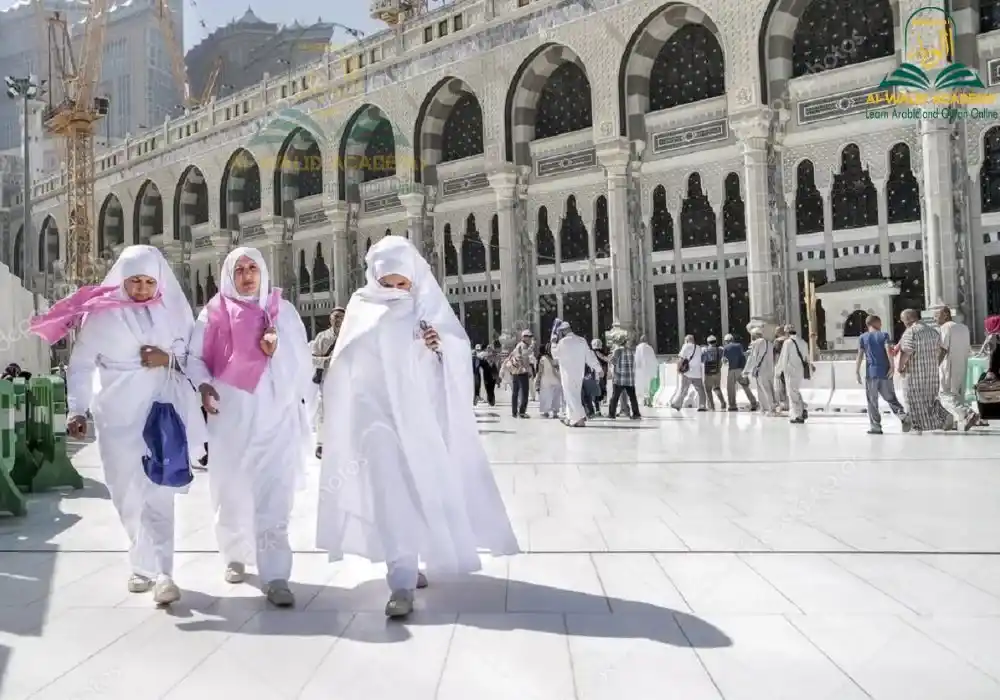

This is where Istikhara Dua comes in — a supplication that brings calm to the heart and lifts confusion without pressure or anxiety, When you place your choice in Allah’s hands, you begin to feel a deep sense of peace that guides you toward what’s truly best.
What Is Istikhara Dua?
Istikhara Dua is one of the most important Sunnahs taught by the Prophet Muhammad ﷺ for moments of hesitation and decision-making. It represents a practical way for Muslims to seek Allah’s guidance before committing to any significant choice.
Salat al-Istikhara refers to performing two voluntary rak‘ahs, followed by a well-known supplication through which a person asks Allah to guide them toward what is best. This act of worship is not limited to making a request; rather, it reflects full reliance on Allah’s wisdom and power.
By praying Istikhara, a believer asks Allah to choose what is best for their faith, their worldly life, and their future, while protecting them from outcomes that may carry harm or regret.
Make the right choices with Quran Courses Online, combining study and prayer for spiritual guidance.
Meaning and Purpose of Istikhara
The word Istikhara literally means “seeking what is best.” It is performed when someone faces an important decision—such as marriage, work, travel, or any major life choice—and feels uncertain about the outcome.
The purpose of Istikhara is not to receive a supernatural sign or a dream, but to:
- Strengthen true dependence on Allah.
- Acknowledge human limitation and lack of full knowledge.
- Ask Allah to ease the matter if it is good, and divert it if it is harmful.
As a result, Istikhara brings inner peace and clarity, allowing decisions to unfold with reassurance and spiritual balance.
When Should You Pray Istikhara?
The Prophet (peace be upon him) emphasized istikhara as an essential tool for handling tough decisions, pairing it with seeking counsel from pious, reliable people in your life—just as he often consulted Abu Bakr and Umar (may Allah be pleased with them), a habit clear from start to finish in his biography.
It extends beyond huge choices like jobs, marriage, or property buys. He taught the companions to use istikhara for all matters, large or small, much like teaching Quranic surahs, as in Sahih al-Bukhari 6382. The righteous predecessors sought Allah’s direction even in everyday details we might dismiss as minor.
Do it right at the first sign of doubt, before locking in any choice, so Allah can steer your heart toward good from the outset. No set schedule exists—repeat if needed—and prioritize true sincerity with full-hearted focus in the dua for acceptance.
Decisions That Require Istikhara
Istikhara is recommended for permissible matters that involve choice and uncertainty. It is not performed for obligatory acts or clearly prohibited actions.
Common situations where Istikhara is recommended include:
- Choosing a spouse.
- Accepting or leaving a job.
- Traveling or relocating.
- Buying or selling.
- Starting a business.
- Medical decisions.
- Choosing education or schools for children.
Istikhara may be repeated several times if needed. The answer does not have to come through a dream; it may appear as ease, discomfort, or a sense of reassurance toward a specific option.
Adults can make confident choices through Quran Classes For Adults, applying guidance from Istikhara Dua.
How to Pray Istikhara Step by Step
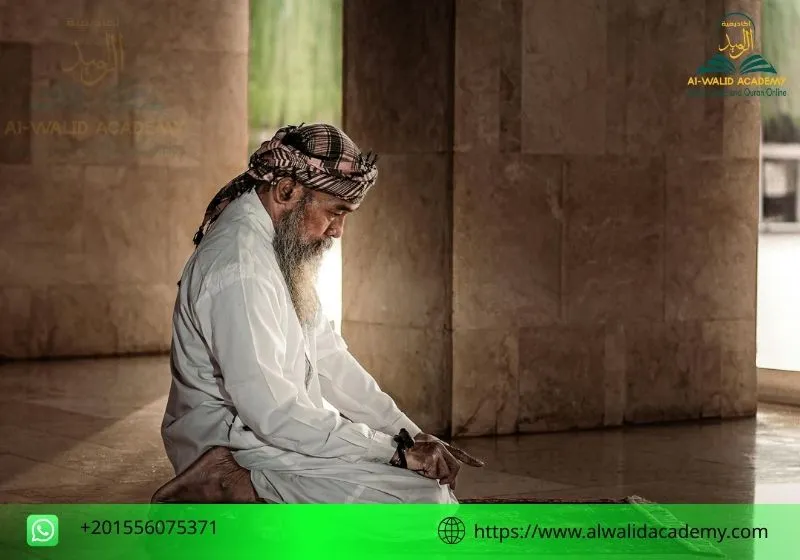
Istikhara is one of the simplest yet most effective acts of worship, helping a believer make life decisions with trust in Allah. It requires sincerity, calmness, and following clear steps.
Before starting, ensure you perform Wudu (ablution), wear clean clothes, and find a quiet space to concentrate. Sincerity and focus make Istikhara truly effective.
Performing the Two Rak‘ahs
The method is straightforward like any sunnah prayer, but with a specific intention and dua at the end, here’s how to do the 2 Rak‘ahs in detail:
- Stand toward the Qibla, feet slightly apart, intend in your mind: “Two rak’ahs of istikhara for Allah to guide me in this decision.”
- Raise your hands and say “Allahu Akbar”; place right over left on your chest.
- Recite Al-Fatihah, followed by a short surah like Al-Ikhlas in the first rak’ah.
- Bow, saying “Allahu Akbar,” hands on knees, glorifying “Subhana Rabbiyal Adheem” 3 times.
- Stand up saying “Sami’a Allahu liman hamidah… Rabbana wa lakal hamd.”
- Prostrate “Allahu Akbar,” forehead, palms, knees on ground, glorify “Subhana Rabbiyal A’la” 3 times.
- Sit for a moment, saying “Allahu Akbar,” then return to prostration, repeating the same “Subhana Rabbiyal A’la” three times.
- Rise for the second rak’ah. “Allahu Akbar,” repeat Fatihah, surah, ruku, and two sujuds.
- Sit for tashahhud: “At-tahiyyatu lillah… Ashhadu an la ilaha illallah wa ashhadu anna Muhammadan abduhu wa rasuluh.”
- Send salawat: “Allahumma salli wa sallim ala Muhammad wa ala aali Muhammad…”
- Add sunnah duas like “Allahumma ighfir li dhambi,” then turn right, “Assalaamu alaikum wa rahmatullah,” and left the same.
The Prophet (peace be upon him) stressed istikhara alongside consulting pious folks like Abu Bakr and Umar (may Allah be pleased with them), whom he often sought advice from throughout his seerah.
It’s not just for massive choices like marriage or homes—it’s for everything big or small, akin to his Quranic teachings, as in Bukhari 6382. Early righteous ones sought guidance even in minor details.
You can also learn about: How To Pray In Islam In Arabic
Reciting the Istikhara Dua
After Salah, recite the Istikhara Dua with full focus, clearly stating the matter you are seeking guidance about, such as marriage, a job, or travel.
While making the dua:
- Be sincere and concentrated.
- Avoid attaching your heart to a particular option.
- Leave the outcome fully to Allah.
After finishing, you may continue your day normally, and if possible, sleep on wudu for better focus and blessings.
Ladies can confidently make life decisions with Quran Classes for Ladies, paired with daily Istikhara.
Guidance After Istikhara
Be aware of the following points:
- Guidance may appear as ease, clarity, inner peace, or a feeling of discomfort toward one option.
- Not every answer comes as a dream; sometimes it’s a deep sense of conviction.
- If results remain unclear, carefully assess the situation or consult trustworthy people.
- Remember, life circumstances are part of Allah’s plan—trust His guidance.
- You may repeat Istikhara if needed, maintaining faith in Allah’s wisdom, even if the answer isn’t immediately clear.
Learn Quran, Arabic, and Islamic Studies with certified teachers in fun, interactive, and personalized sessions. Join thousands of students around the world and begin your path today!
The Text of Istikhara Dua
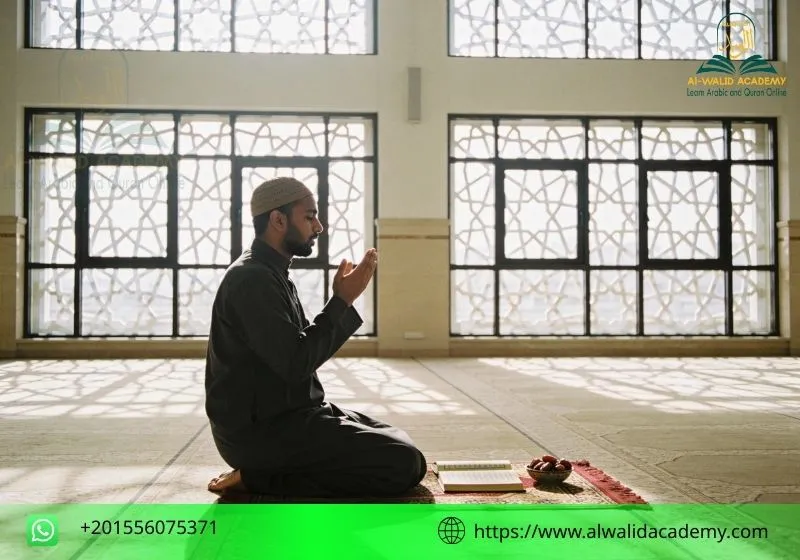
This table will help you understand the dua clearly, whether in its original Arabic text, the correct pronunciation (transliteration), or the English translation that explains its full meaning. This way, you can recite it properly and benefit from it in your daily life.
| Language | Text | Explanation |
| Arabic | اللَّهُمَّ إِنِّي أَسْتَخِيرُكَ بِعِلْمِكَ وَأَسْتَقْدِرُكَ بِقُدْرَتِكَ، وَأَسْأَلُكَ مِنْ فَضْلِكَ الْعَظِيمِ، فَإِنَّكَ تَقْدِرُ وَلاَ أَقْدِرُ وَتَعْلَمُ وَلاَ أَعْلَمُ وَأَنْتَ عَلاَّمُ الْغُيُوبِ اللَّهُمَّ إِنْ كُنْتَ تَعْلَمُ أَنَّ هَذَا الأَمْرَ خَيْرٌ لِي فِي دِينِي وَمَعَاشِي وَعَاقِبَةِ أَمْرِي فَاقْدُرْهُ لِي وَيَسِّرْهُ لِي ثُمَّ بَارِكْ لِي فِيهِ وَإِنْ كُنْتَ تَعْلَمُ أَنَّ هَذَا الأَمْرَ شَرٌّ لِي فِي دِينِي وَمَعَاشِي وَعَاقِبَةِ أَمْرِي فَاصْرِفْهُ عَنِّي وَاصْرِفْنِي عَنْهُ، وَاقْدُرْ لِي الْخَيْرَ حَيْثُ كَانَ ثُمَّ أَرْضِنِي بِهِ | Recite this dua after performing two rak‘ahs of Istikhara, focusing on the matter you are seeking guidance about. |
| Transliteration | Allahumma inni astakheeruk bi’ilmik wa astaqdiruk bi-qudratik, wa as’aluk min fadlik al-‘azim. Fa innaka taqdiru wa la aqdir, wa ta’lamu wa la a’lam, wa anta ‘allam al-ghuyub. Allahumma in kunta ta’lam anna hadha al-amr khayrun li fi dini wa ma’ashi wa ‘aqibati amri faqdurhu li wa yassirhu li thumma barik li fihi. Wa in kunta ta’lam anna hadha al-amr sharrun li fi dini wa ma’ashi wa ‘aqibati amri fasrifhu ‘anni wasrifni ‘anhu, waqdur li al-khayr haythu kana thumma ardiini bihi. | This is Romagy that help you recite the duaa in Arabic sound but in English reading. Helps with correct pronunciation if you are not fluent in Arabic. |
| English | O Allah, I ask You to guide me through Your perfect knowledge, and I seek capability from Your immense power. I request from Your vast grace—You hold all power while I have none, You possess all knowledge while I remain unaware, and You alone know what lies unseen. O Allah, if You know this matter [name it clearly] is good for my faith, my life, and my ultimate outcome, then make it destined for me, ease it for me, and bless it for me. But if You know it is bad for my faith, my life, and my ultimate outcome, then turn it away from me, turn me away from it, and decree for me what is truly good wherever it lies, then make me pleased with it.” | Understand the meaning of the dua completely and ask Allah for what is best in every important decision. |
Read also about: Dua to Start Fasting
How to Know the Result of Istikhara
After performing Istikhara prayer and reciting the du’a with sincere intention, one of the most common questions people ask is: How do I know the result of my Istikhara?
The result usually shows up as inner peace or ease regarding the matter, and it’s rarely something dramatic like in the movies. The key is to recognize the real signs without expecting unrealistic or extraordinary events.
Common Misunderstandings About Signs and Dreams
A lot of people misunderstand Istikhara, especially when it comes to dreams. Many cultures believe that dreams directly reveal the outcome of an Istikhara prayer. However, according to the Sunnah, dreams fall into three categories:
- True dreams from Allah, which carry guidance and meaning.
- Dreams from the self (nafs), reflecting our daily thoughts and emotions.
- Dreams from Shaytan, meant to confuse or mislead us.
For example, if you are considering a marriage proposal and you pray Istikhara, seeing this person often in your dreams may simply reflect your own thoughts and desires, not a divine answer.
Don’t wait for a dream or a sign every time; otherwise, you might feel disappointed if nothing dramatic happens.
Learn about: Dua for Making Things Easy
How to Recognize the Result in Reality
The result of Istikhara often comes as inner comfort or ease in dealing with the situation.
It doesn’t have to be something extraordinary or a vivid dream. You may feel the path naturally opens, or obstacles disappear, indicating Allah’s guidance.
Focus on your inner feelings and peace of mind more than external signs.
Understanding the Purpose of Istikhara Beyond Dreams
Focus on the words of the supplication:
“O Allah, if You know that this matter [mention the thing to be decided] is good for me in my religion, my livelihood, my worldly affairs, and in the hereafter, then decree it for me, make it easy for me, and bless it for me.”
This du’a does not ask Allah to show the way through dreams. Its purpose is to:
- Seek guidance to choose what is truly good.
- Make beneficial matters easy to achieve.
- Bring blessings and ease in the outcome.
In other words, Istikhara is about trusting Allah and asking Him to facilitate what is genuinely best, not expecting extraordinary signs in dreams.
Common Mistakes in Istikhara
There are common mistakes people make that can make Istikhara confusing instead of clarifying.
Expecting Immediate Signs
One of the biggest mistakes is praying Istikhara and waiting for an instant sign like lightning. In reality, Istikhara requires time and patience:
- If you encounter difficulty or complications, wait a few days or even a week to see if things ease.
- Patience is part of trusting Allah, and real signs appear gradually through a sense of calm or ease in the matter.
Repeating Istikhara Without Action
Another common mistake is praying Istikhara every day without taking any practical step.
- Istikhara is not a substitute for effort.
- After praying, take a small practical step: inquire about the job, meet a potential spouse, or consider actions you can take.
- Allah will guide you toward what is good and keep you away from harm, but there must be action, not just waiting for a miracle.
Read about: Travelling Dua
Can Istikhara Be Repeated?
Istikhara can be repeated if needed, but not randomly, so it doesn’t become a bad habit. This section explains how and when to repeat it, with practical tips for daily life to benefit fully.
When and Why Repetition Is Allowed
The Sunnah allows repeating Istikhara in certain cases, not just once and that’s it.
Repeat it if the answer isn’t clear after a week or more, or if circumstances change, such as a new potential spouse entering the picture, or if your hesitation increases.
You can repeat Istikhara 3–7 times maximum, to ask for guidance again, but also continue normal supplications.
Scholars like Ibn Uthaymeen said: repetition is permissible if the concern persists, but it shouldn’t be treated like a magic formula.
Istikhara in Daily Life
Istikhara isn’t just for big decisions; you can use it in daily life:
- Big decisions: marriage, starting a new job, long trips.
- Small decisions: choosing a doctor, buying a car, picking a school for children, attending a short job interview, or any permissible and important choice.
- The important part is paying attention to your inner feelings and peace, and noticing whether things naturally become easier or if repeated obstacles appear.
Final Advice About Istikhara
Istikhara is a key to mental and spiritual peace when making decisions, but it requires trust in Allah and practical effort.
Trusting Allah After Istikhara
After performing Istikhara and taking practical steps, proceed with the decision if you feel inner peace or ease in the matter.
- Trust that Allah has chosen what’s best for you, even if the outcome isn’t exactly what you imagined.
- Don’t complain about the result, and say: “Hasbi Allah wa ni’mal wakeel” (Allah is sufficient for me and the best disposer of affairs).
- Istikhara removes anxiety and brings blessings, but it should always be combined with effort and consultation to ensure a confident and successful life.
Start Your Spiritual Journey with Al-Waleed Academy
If you want to master Quran memorization and apply prayers and supplications in a practical and correct way, Al-Walid Academy will guide you step by step to implement everything in your daily life with confidence and peace of mind.
At the academy, you will be able to:
- Learn how to perform Istikhara correctly and understand all its meanings easily.
- Apply daily supplications in a way that brings inner peace and reliance on Allah.
- Make your important life decisions confidently without hesitation.
- Communicate directly with qualified teachers who provide personal guidance and ongoing support.
Join now and start a unique learning experience that fills your daily life with blessings and tranquility!
Conclusion
Istikhara is more than just a prayer; it’s a practical tool to rely on Allah and make the best choices in your daily life.
From learning the correct steps of the prayer, understanding the Istikhara supplication, to observing your inner feelings and interpreting the results wisely, every step has one goal: to facilitate goodness for you and protect you from potential harm.
The true key is combining reliance on Allah, correct understanding of Istikhara, and taking practical, realistic steps in your daily life. When applied correctly, you’ll experience genuine inner peace, grow confident in your decisions, and see blessings unfold in your everyday life.
Always remember: Istikhara is divine guidance for every important decision, and trusting Allah after the prayer is the secret to true tranquility.
FQAs
Can Istikhara be done online or virtually?
You can learn the steps of Istikhara online and practice them, but the prayer itself must be performed in person in a quiet and clean space.
Is it okay to feel confused after Istikhara?
Yes, it’s normal to feel unsure at first. Istikhara gives gradual guidance, not always an immediate answer.
How long should I wait after Istikhara for a sign?
There’s no fixed time. Sometimes it’s a day or two, sometimes a week. Focus on your inner feeling of ease or the smooth unfolding of events.
Can I combine Istikhara with consultation from others?
Yes, you can seek advice from experienced or trusted people after Istikhara. This complements your decision and makes your choices more confident.
What if I feel negative about the decision even after Istikhara?
If you feel something negative, take the matter step by step. Often Allah shows the right path through obstacles or by making things easier for you.
Can Istikhara be for a small choice like what to eat or wear?
Istikhara is for important decisions, not simple daily choices like food or clothing. The key is that the matter should have an impact on your life or future.
Does Istikhara need to be repeated in stressful situations?
You can repeat it if the situation or decision is ongoing and mentally exhausting, but no more than once or twice with some patience, so it doesn’t become a random habit.
How do I know if Istikhara worked?
Istikhara does not require a sign or dream. If Allah makes the matter easier for you or turns your heart away from it without stress, this is a form of guidance. The result appears through ease, clarity, or redirection—not necessarily feelings or visions.
What is the point of praying Istikhara?
The purpose of Istikhara is to seek Allah’s guidance when making an important decision. It is an act of trust, asking Allah to guide you toward what is best for your religion, life, and future—even if it differs from your personal desire.
Is a dream necessary for Istikhara?
No, a dream is not required and should not be expected. Istikhara is about guidance through ease and outcomes, not dreams or supernatural signs. Many people never see dreams after Istikhara, and that is completely normal.