
During times of hardship or the loss of a loved one, many people search for “inna lillahi wa inna ilayhi raji’un Meaning” to understand the powerful message behind these comforting words.
If you are also wondering about the true meaning of this dua, you should know that it is more than just a phrase said during difficult moments—it is a reminder of patience, faith, and returning to Allah in every stage of life.
Inna lillahi wa inna ilayhi raji’un Meaning
The phrase “Inna Lillahi Wa Inna Ilayhi Raji’un” is one of the most powerful expressions Muslims rely on during moments of shock, grief, or difficult life situations. Although many people associate it only with death, its meaning is much broader and applies to any form of loss, hardship, or emotional struggle.
At its core, this phrase reflects a fundamental Islamic belief: everything in existence belongs to Allah, and every human being will eventually return to Him. This understanding helps reshape how a person responds to trials, as it encourages viewing hardships as part of life’s journey rather than its end.
It is also often explained more clearly through Modern Standard Arabic, which helps learners understand its precise meaning in its original linguistic form.
That is why Muslims recite this phrase not only during mourning, but also whenever they face pressure, disappointment, or personal challenges.
Literal Translation of Inna Lillahi Wa Inna Ilayhi Raji’un
The literal translation of “إِنَّا لِلَّهِ وَإِنَّا إِلَيْهِ رَاجِعُونَ” is: “In truth, we all come from Allah, and ultimately we will be returned to Him.”
Breaking it down:
- “Inna Lillahi” means that every human being and everything they possess ultimately belongs to Allah alone.
- “Wa Inna Ilayhi Raji’un” means that the final destination of all human beings is returning to Allah on the Day of Judgment.
This verse is mentioned in The Quran, and it highlights that patience during trials is a true sign of faith and submission to Allah’s will.
This understanding helps believers realize that life is not permanent ownership but a temporary phase under Allah’s control, where everything happens with purpose and wisdom.
Learning through Quran courses online can also help deepen this understanding in a more structured and meaningful way.
Simple Meaning Explained in Everyday Language
In simple everyday language, the phrase means:
“We came from Allah, and to Him we will all return.”
That is why Muslims say it when facing grief, hearing about a death, or going through a painful situation. It helps them stay grounded, calm their emotions, and accept reality with faith instead of panic or despair.
For example, when someone loses a loved one, this phrase reminds them that death is not the end, but a transition back to the Creator. This perspective reduces emotional pain and helps the heart process loss with more acceptance.
It also changes how a person views life in general. It teaches that everything a person owns—relationships, blessings, and opportunities—is only temporary trust from Allah. This understanding encourages gratitude and reduces unhealthy attachment that can increase suffering during loss.
Beyond its spiritual meaning, the phrase also has a strong psychological effect. It provides comfort, emotional stability, and a sense of peace during life’s hardest moments, helping believers move through pain with stronger faith and a calmer heart.
This deeper understanding is often reinforced through a Quranic Arabic Course, where learners study the original language of the Quran to grasp meanings more accurately and reflect them in daily life.
Start Your Journey with Al-Walid Academy
Learn Quran, Arabic, and Islamic Studies with certified teachers in fun,
interactive, and personalized sessions. Join thousands of students around
the world and begin your path today!
Where Inna Lillahi Wa Inna Ilayhi Raji’un Comes From

The phrase “Inna Lillahi Wa Inna Ilayhi Raji’un” has a clear divine origin in Islam. It is not a phrase that emerged from cultural usage, but a direct revelation within the Qur’an itself.
This is why it serves as divine guidance on how believers should respond during hardship and moments of loss. It is also connected to the Islamic concept of Istirja’, which means returning one’s heart, words, and trust to Allah during hardship.
What makes this phrase unique is that it is not just a natural human reaction to grief, but a form of worship and submission. It transforms emotional pain into faith-based acceptance and reminds the believer that everything ultimately belongs to Allah.
Inna Lillahi Wa Inna Ilayhi Raji’un in the Quran
The phrase appears directly in The Quran:
ٱلَّذِينَ إِذَآ أَصَابَتْهُم مُّصِيبَةٌۭ قَالُوا۟ إِنَّا لِلَّهِ وَإِنَّآ إِلَيْهِ رَٰجِعُونَ
“Those who, when faced with calamity, respond by saying: we belong to Allah and to Him we will return.”
This verse comes after Allah mentions different kinds of trials that human beings will face, such as fear, hunger, and loss of wealth, lives, and fruits. It then explains the correct response: patience combined with remembrance of Allah instead of panic (discontent).
The meaning goes beyond words. It turns moments of shock into moments of faith, where the believer acknowledges Allah’s ownership and trusts His wisdom even without fully understanding the reason behind the trial.
This deeper understanding becomes clearer when studying through a Learn Quran Tafseer Online approach, which explains the verse in its full context and reveals its intended message in a practical and reflective way.
Context of the Ayah and Its Message
The surrounding verses (Surah Al-Baqarah 2:155–157) explain that tests are an unavoidable part of life. Allah says that believers will be tested in different ways, but those who respond with patience and remembrance will receive mercy, guidance, and blessings.
Life is not designed as a place of permanent comfort, but rather a short journey filled with trials that uncover the depth of a person’s faith and patience.
Saying “Inna Lillahi Wa Inna Ilayhi Raji’un” is therefore not just about acknowledging loss—it is a declaration of belief that everything belongs to Allah and will return to Him.
This understanding expands the phrase beyond death alone. It serves as a constant reminder that every experience—whether ease or difficulty—is part of Allah’s divine plan, and that every form of loss may carry wisdom and a reward that becomes clear only to those who remain patient and firm in faith.
This broader context is often studied in an Islamic Studies Course, which explores how such verses connect to faith, patience, and real-life situations without isolating them from their full meaning.
When Should You Say Inna Lillahi Wa Inna Ilayhi Raji’un?
The phrase “Inna Lillahi Wa Inna Ilayhi Raji’un” in Islam is not tied to a single situation or a specific type of event. Instead, it is connected to any moment of trial, loss, or emotional pressure a person goes through. Its purpose is to immediately redirect the heart back to Allah, replacing shock, sadness, and frustration with calm faith and acceptance of Allah’s decree.
Islam teaches that the first reaction during hardship is very meaningful. That is why it is recommended for a Muslim to say this phrase at the very moment a difficult event occurs. It transforms sudden emotional pain into awareness of faith, helping the believer respond with trust in Allah instead of panic or collapse.
In general, this remembrance is suitable for all types of trials, whether related to health, finances, relationships, or emotional struggles. It helps create inner balance and supports a person in accepting what happens without losing hope.
Saying Inna Lillahi Wa Inna Ilayhi Raji’un When Someone Dies
The most common situation where this phrase is used is when hearing news of a death, whether it is a family member, a friend, or anyone whose loss causes real emotional pain. At that moment, the person is usually in shock and grief, so the phrase works as a tool to restore emotional and spiritual balance.
In this context, the phrase is not directed toward the deceased, but toward the person experiencing the loss. It helps them process grief with patience and reminds them that life is not the final destination and that all souls ultimately return to Allah.
Scholars, including Imam Al-Nawawi (may Allah have mercy on him), explained that this remembrance is recommended whenever a person faces a major calamity that causes distress or loss, because it combines patience with faith and helps the heart deal with grief in a calmer way.
For example, if someone loses a parent, saying this phrase along with prayers for mercy turns the feeling of loss into a deeper meaning filled with reward, hope, and acceptance instead of despair.
Studying the Seerah helps clarify how the Prophet himself responded to moments of grief and taught believers to deal with loss with patience and trust in Allah.
Using Inna Lillahi Wa Inna Ilayhi Raji’un During Hardships and Tests
This phrase is not limited to death. It also applies to all kinds of life difficulties that are considered trials in Islam, such as losing a job, financial problems, illness, accidents, or emotional stress.
Examples of situations where it is appropriate include:
- Losing a job or a source of income
- Financial loss or property damage
- Illness or physical pain
- Psychological stress or family conflicts
- Losing something valuable or facing sudden setbacks
Even small daily frustrations can be moments to remember Allah, because the goal is to control emotional reactions and replace them with calmness and awareness of Allah’s presence.
The core message of the phrase is that:
- Everything belongs to Allah
- Life is temporary and constantly changing
- Every trial carries wisdom and potential reward
With repeated use in different situations, the phrase becomes more than words—it becomes a way of thinking that helps a believer live with greater peace, stronger faith, and deeper trust in Allah’s plan.
Importance and Benefits of Inna Lillahi Wa Inna Ilayhi Raji’un
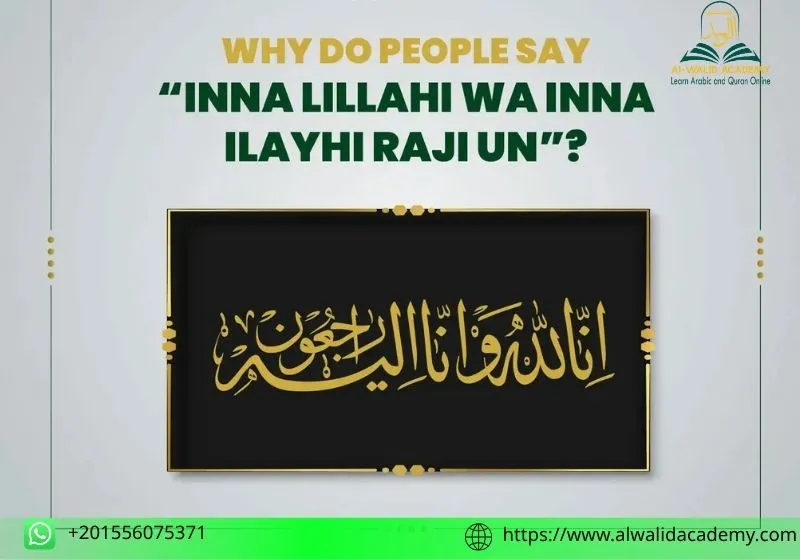
The phrase “Inna Lillahi Wa Inna Ilayhi Raji’un” is one of the most powerful expressions a Muslim uses during trials and hardships. It is not just words said in moments of sadness, but a deep spiritual meaning that connects the heart to Allah during times of pain. Its core message reminds a believer that everything in life ultimately belongs to Allah, and any loss or change happens by His will and wisdom.
When this meaning settles in the heart, the way a person responds to hardship changes completely. Instead of panic, anger, or emotional collapse, the believer begins to respond with calm acceptance and trust in Allah, which helps them pass through difficult situations with greater emotional strength and spiritual stability.
Key benefits include:
- Calming emotions during shock: It helps reduce emotional stress and sudden reactions, allowing a person to process the situation more calmly.
- Strengthening patience during trials: It builds resilience by reminding the believer that every hardship has an end and carries reward from Allah.
- Increasing reliance on Allah (Tawakkul): It encourages letting go of worry and trusting Allah’s divine plan.
- Reducing attachment to worldly life: It reminds the person that everything in this world is temporary.
- Gaining reward and spiritual reward: Saying it during hardship is associated with great reward for those who remain patient.
- Changing perspective on hardship: Over time, it helps a person see difficulties as tests rather than final outcomes.
Difference Between Inna Lillahi Wa Inna Ilayhi Raji’un and Other Islamic Phrases
Each Islamic phrase has its own purpose, and “Inna Lillahi Wa Inna Ilayhi Raji’un” is unique because it is specifically connected to moments of loss and hardship. It is meant to bring comfort to the heart during times of pain while reminding a person to remain patient and accept Allah’s will.
How It Differs from Other Common Phrases
The difference between this phrase and others lies in usage and meaning:
- “Alhamdulillah”: said when expressing gratitude for blessings or positive outcomes.
- “SubhanAllah”: used to glorify Allah and express amazement at His creation. Read more about: Definition of Subhanallah.
- “Masha’Allah”: said when seeing something good or beautiful, acknowledging Allah’s will, has a deep look at: Mashallah and inshallah, meaning.
- “Astaghfirullah”: used for seeking forgiveness after sins or mistakes.
- “Inna Lillahi Wa Inna Ilayhi Raji’un”: said during loss or calamity, expressing patience, acceptance, and submission to Allah.
The main difference is that each phrase serves a different spiritual function, while this specific phrase is directly tied to emotional hardship and how a believer responds to it with faith and patience.
Key Takeaway
The essence of “Inna Lillahi Wa Inna Ilayhi Raji’un” is not just a phrase of grief, but a way of thinking that teaches patience, acceptance, and trust in Allah during difficult times.
When understood alongside other Islamic phrases, it helps Muslims use each remembrance in its proper context, leading to a more balanced spiritual life and a calmer response to life’s challenges.
Common Mistakes When Saying Inna Lillahi Wa Inna Ilayhi Raji’un
Although the phrase “Inna Lillahi Wa Inna Ilayhi Raji’un” is one of the most powerful remembrances during hardship, many people still make common mistakes when saying or using it.
These mistakes can sometimes reduce its spiritual impact and turn it from a deeply meaningful expression into something said out of habit. That’s why understanding it correctly is important so it becomes a source of real patience and inner peace.
1. Pronunciation and Transliteration Mistakes
One of the most common issues is incorrect pronunciation or writing. Many people say the phrase too quickly or unclearly, which can affect how well its meaning is understood.
Common mistakes include shortening parts of the phrase or not pronouncing words clearly, especially “Raji’un,” or saying it in a rushed way without proper pauses. This can weaken the emotional and spiritual impact of the remembrance. In written English, it is also sometimes spelled incorrectly, which affects the accuracy of the phrase.
The bigger problem happens when someone repeats it during shock without attention or reflection, making it just a sound without meaning.
The solution is to learn the correct pronunciation from reliable sources, listen carefully, and repeat slowly until it becomes natural. Practicing through a Quran Recitation Course helps improve pronunciation, rhythm, and clarity, making the phrase more accurate and spiritually meaningful when recited.
2. Misuse and Misunderstanding of Context
Another common mistake is using the phrase in situations where it doesn’t really apply, or assuming it is said for any small feeling of sadness. In reality, its meaning is much deeper than that.
The phrase is meant for real hardships and serious losses, such as death, illness, or major life difficulties involving emotional or material pain. Using it for minor or casual situations can reduce its spiritual value.
Some people also say it automatically in social situations without truly feeling the moment, which weakens its effect. It should be used with awareness that you are turning to Allah with patience and acceptance of His decree.
It is also important to avoid using it in jokes or sarcastic contexts, because it is a sacred remembrance connected to deep spiritual meaning, not a casual expression.
3. Saying It Without Understanding Its Meaning
The most serious mistake is repeating the phrase without understanding what it truly means. In that case, it becomes just a verbal habit with no real effect on the heart or behavior.
The core meaning is that everything belongs to Allah and that all people will eventually return to Him. When this meaning is not present in the heart, a person may say it but still feel the same panic or sadness without real inner comfort.
For example, someone might say it during a loss but remain overwhelmed by grief and despair, which shows that the deeper meaning has not been internalized.
That is why understanding is more important than repetition. When the meaning reaches the heart, the phrase becomes more than words—it becomes a real source of emotional strength, patience, and stability during hardship.
This deeper connection is often strengthened through an Arabic language Course, which helps learners understand the structure and meaning of Arabic expressions more accurately, instead of memorizing them without reflection.

Teaching Children the Meaning of Inna Lillahi Wa Inna Ilayhi Raji’un
Introducing children to the phrase “Inna Lillahi Wa Inna Ilayhi Raji’un” should be done in a calm and gentle manner, as children often react to loss with strong emotions and may struggle to understand it clearly.
The purpose is not simply to teach a phrase, but to shape a child’s balanced perception of life, loss, and emotional coping within a peaceful and faith-oriented framework.
The core idea is to help the child understand that sadness is a natural human feeling, and there is nothing wrong with it. During moments of difficulty, we are encouraged to turn to Allah through patience and prayer, while maintaining trust that every situation has a purpose and wisdom behind it, even if it is not immediately understood.
1. Be Honest, But Gentle
Honesty with children is important, but it must be delivered in a simple and reassuring way. Children do not need frightening details, but they do need a clear and age-appropriate understanding.
Instead of using vague expressions, it is better to explain calmly:
“When someone dies, their body stops working, but we believe their soul is with Allah in peace and mercy.”
If the child asks difficult questions, respond simply without overcomplicating: “No, we will not see them again in this life, but we can pray for them, and Allah is more merciful to them than we are.”
This approach helps the child understand without developing fear or anxiety. Using Quran lessons for Kids online can also support parents in explaining these concepts in a structured, gentle, and age-appropriate way that matches the child’s level of understanding.
2. Introduce the Phrase: Inna Lillahi Wa Inna Ilayhi Raji’un
Introducing the phrase should be gradual and simple. Explain that we say it during times of sadness or loss, and that it means everything belongs to Allah and that we will all return to Him.
A simpler way to express it could be: “This phrase helps us remember that Allah is our Creator, and that every soul will eventually go back to Him, and this understanding helps us feel calmer and more patient.”
With repeated exposure in different situations, the child gradually starts to associate the phrase with positive feelings such as acceptance and inner peace, rather than linking it only with sadness or loss.
3. Use Simple, Clear Language
A common mistake is using unclear expressions like “they went to sleep” or “they traveled,” which can confuse children and make them expect the person to return.
It is better to be clear and simple: “The person has died, which means we will not see them in this life anymore, but we can remember them and pray for them.”
A simple comparison can also help: “Life is like a temporary stage, and the Hereafter is the real return to Allah.”
Simplicity helps the child understand without fear or confusion.
4. Encourage Questions and Feelings
Children should feel safe to ask questions and express emotions without being judged or stopped.
Questions like “Why do people die?” or “Will I die?” should be answered calmly: “Everyone has a time in this world, and this is part of the life Allah created.”
Also reassure them: “It is okay to cry or feel sad. Allah sees you and understands your feelings.” This helps the child process grief in a healthy way instead of suppressing it.
Mothers also play a key role in reinforcing these values at home, and this can be supported through Quran Classes for Ladies, which help women understand how to respond to children’s sensitive questions in a calm, faith-based, and emotionally balanced way.
5. Teach Patience and Hope
Patience should be taught in a practical way, not just as a concept.
Patience can be explained simply as: “Patience means we keep going with our lives even when we feel sad, while trusting that Allah will replace what we lost with something better.”
You can also use small everyday examples, like losing a toy, and say together: “Inna Lillahi Wa Inna Ilayhi Raji’un.”
This helps the child understand that everything in this world is temporary and that hope always exists after loss.
6. Include Prayers and Sunnah
It is important to connect children with simple supplications. Teach them also to say: “O Allah, forgive him and have mercy on him,” explaining that it is a kind way of asking Allah for mercy and goodness for others.
Also, help them understand that this supplication is a simple and meaningful way to show care for the deceased and to ask Allah for forgiveness and mercy for them.
Explain that making dua helps the deceased and also comforts our hearts.
You can also teach them to recite Al-Fatiha or short surahs and dedicate the reward, helping them understand that the connection continues through prayer.
7. Lead by Example
Children learn more from what they observe than from what they are told, so adult behavior and reactions in real situations have a stronger impact than explanations alone. If they see parents saying the phrase calmly during hardship and showing patience and faith, they will naturally learn to do the same.
Even when feeling sad, showing emotional balance alongside faith teaches them that belief does not cancel feelings—it guides them.
8. Turn Loss into a Learning Moment
Every experience of loss can become a simple lesson. You can also reinforce understanding by asking the child: “What did we learn from this situation?” This kind of questioning helps the child think more deeply about what happened and slowly build a clearer understanding of the lesson in a meaningful and thoughtful way.
Explain gently that life includes separation, but also mercy from Allah, patience, and prayer that eases pain.
Simple activities like drawing the phrase or telling short stories about its meaning can help reinforce the idea in a gentle and lasting way.
How Learning Islamic Duas Builds Emotional Strength
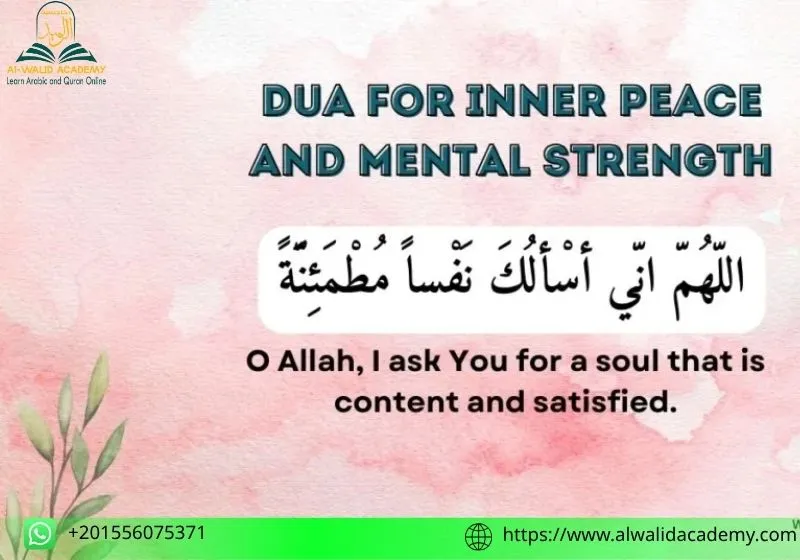
Islamic supplications go beyond memorized expressions, as they can calm the heart, support emotional well-being, and help a person respond to pressure with more patience and peace.
Life naturally includes difficult situations, but dua acts as a spiritual support system that reconnects a person with Allah and eases stress and anxiety.
When a person consistently makes dua and understands its meaning, their way of dealing with challenges gradually changes. Instead of reacting with panic or hopelessness, they begin to rely on the belief that everything is in Allah’s hands and that every test carries wisdom, even if it is not clear in the moment.
Over time, dua becomes part of daily thinking rather than just a reaction during hardship.
Why Understanding Duas Matters More Than Memorizing
Memorizing supplications is important, but the real impact begins when a person truly understands their meaning and the message behind them. Understanding transforms dua from a verbal habit into something that touches the heart and shapes behavior.
When someone is aware of what they are saying, dua becomes a tool for calming the mind and strengthening the heart during difficult moments. It is no longer just repetition, but a deep inner feeling of contentment and connection with Allah.
For example, when we understand the meaning of “Inna Lillahi Wa Inna Ilayhi Raji’un,” it is no longer just a phrase said during grief, but a reminder that everything in this world is temporary and that returning to Allah is the ultimate truth.
Understanding also helps connect duas to everyday situations—whether sadness, anxiety, or gratitude—turning them into a continuous source of emotional and spiritual support.
Learn Authentic Islamic Duas With Al-Walid Academy
If you want to learn Islamic supplications in a simple and correct way while also understanding their meanings rather than just memorizing them, you can start with Al-Walid Academy, which offers simplified educational content suitable for different age groups.
The academy focuses on both understanding and practical application, helping learners use duas naturally and correctly in real-life situations instead of just repeating them.
Through its teaching approach, learners develop a deeper understanding of supplications, which helps them build a stronger connection with Allah, experience greater inner peace, and face daily challenges with more faith, stability, and emotional strength.
Start Your Journey with Al-Walid Academy
Learn Quran, Arabic, and Islamic Studies with certified teachers in fun,
interactive, and personalized sessions. Join thousands of students around
the world and begin your path today!
FAQs
Is there a reward for saying Inna Lillahi Wa Inna Ilayhi Raji’un?
Saying the phrase inna lillahi wa inna ilayhi raji’un Meaning during times of hardship carries a great reward, as it reflects patience and submission to Allah’s decree. It also helps the heart stay calm and steady instead of falling into panic or despair.
Can Inna Lillahi Wa Inna Ilayhi Raji’un be said for small problems?
Yes, the phrase is not limited to major tragedies only. It can be said in any situation of loss or difficulty, even small ones, because it reminds a person that everything is under Allah’s control, no matter how big or small it seems.
Does saying Inna Lillahi Wa Inna Ilayhi Raji’un help with anxiety?
Yes, repeating it during sadness or anxiety helps calm the mind. It helps redirect attention away from the difficulty itself toward trust in Allah and acceptance of His decree, which over time brings a sense of calm and eases emotional stress and tension.
What should you say after Inna Lillahi Wa Inna Ilayhi Raji’un?
It is recommended to follow it with supplication such as: “O Allah, reward me in my affliction and grant me something better in return.” This completes the meaning and strengthens patience and inner peace.
Is it okay to say Inna Lillahi Wa Inna Ilayhi Raji’un without feeling it?
It is better when the phrase is said with an understanding of its meaning, as awareness increases its emotional and spiritual impact. However, even if it is said automatically at first, over time, it helps build deeper faith, patience, and acceptance.